Isocyanate → 1-{6-[(4-Aminophenyl)ethynyl]imidazo[1,2-b]pyridazin-2-yl}-3-(3-chloro-4-fluorophenyl)urea
Reaction equation

[NH2:1][C:2]1[CH:7]=[CH:6][C:5]([C:8]#[C:9][C:10]2[CH:11]=[CH:12][C:13]3[N:14]([CH:16]=[C:17]([NH2:19])[N:18]=3)[N:15]=2)=[CH:4][CH:3]=1.[Cl:20][C:21]1[CH:26]=[C:25]([N:27]=[C:28]=[O:29])[CH:24]=[CH:23][C:22]=1[F:30].[N-]=C=O>>[NH2:1][C:2]1[CH:7]=[CH:6][C:5]([C:8]#[C:9][C:10]2[CH:11]=[CH:12][C:13]3[N:14]([CH:16]=[C:17]([NH:19][C:28]([NH:27][C:25]4[CH:24]=[CH:23][C:22]([F:30])=[C:21]([Cl:20])[CH:26]=4)=[O:29])[N:18]=3)[N:15]=2)=[CH:4][CH:3]=1Participants
4
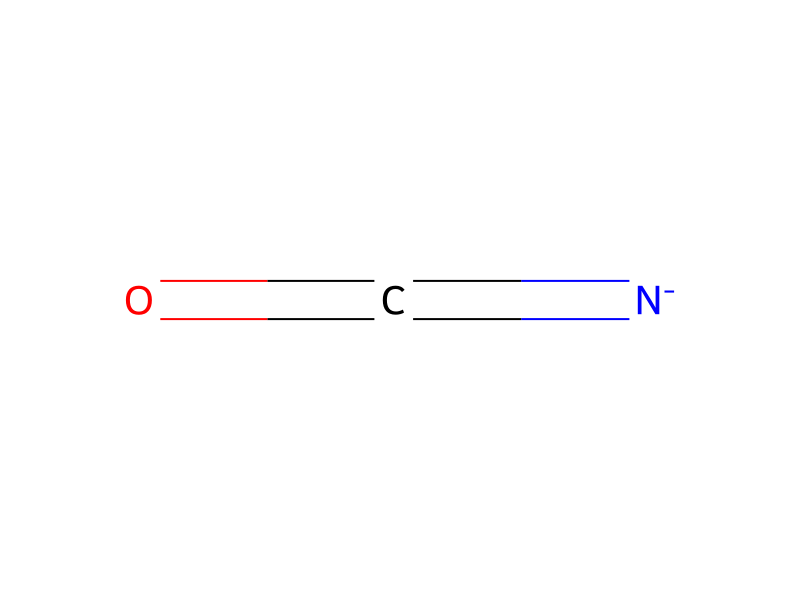


Procedure
The compound of Example 14 was made by preparing 6-[(4-aminophenyl)ethynyl]imidazo[1,2-b]pyridazin-2-amine as in Example 20, followed by a procedure similar to Example 3 using 2-chloro-1-fluoro-4-isocyanatobenzene as the isocyanate (see also Schemes 1, 2, and 9).
Sources & evidence
- ORD record
- ord-92a16ca88f5f4c25b00539c82596d582
- Source dataset
- uspto-grants-2016_01
- Patent number
- US09233968B1
Reaction notes
Loading…