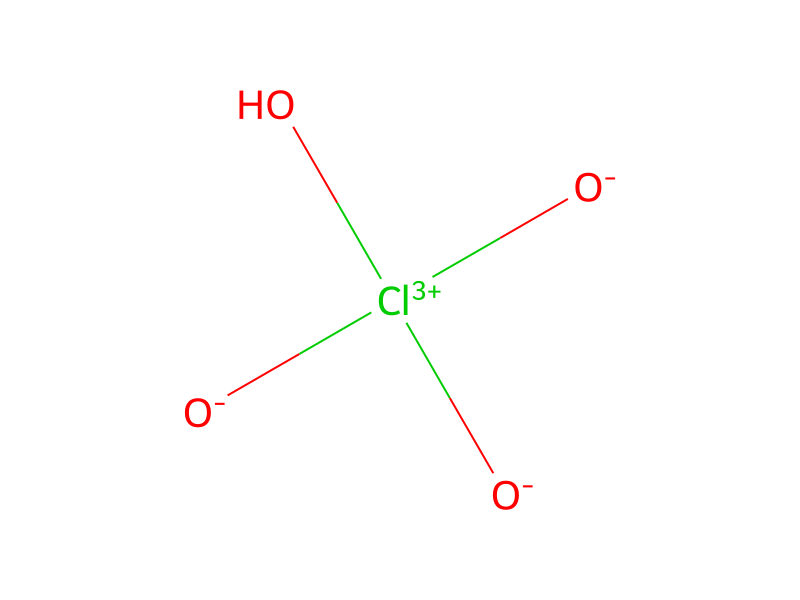
Perchloric Acid → HCID 70855540, compound
Reaction equation

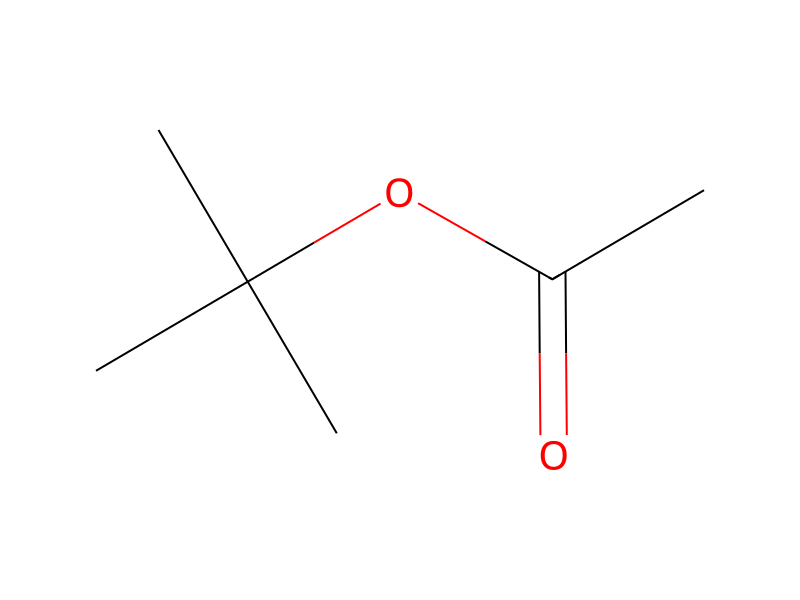
Cl(O)(=O)(=O)=O.[O:6]1[C:11]2[CH:12]=[CH:13][C:14]([C:16]3[N:17]=[C:18]([CH3:28])[S:19][C:20]=3[CH:21]([OH:27])[C:22]([O:24][CH2:25][CH3:26])=[O:23])=[CH:15][C:10]=2[CH2:9][CH2:8][CH2:7]1>C(OC(C)(C)C)(=O)C>[C:10]([O:27][CH:21]([C:20]1[S:19][C:18]([CH3:28])=[N:17][C:16]=1[C:14]1[CH:13]=[CH:12][C:11]2[O:6][CH2:7][CH2:8][CH2:9][C:10]=2[CH:15]=1)[C:22]([O:24][CH2:25][CH3:26])=[O:23])([CH3:15])([CH3:11])[CH3:9]Participants
4
Reactant 2

Product 1

Reagents, catalysts & solvents 1
Procedure
Under a nitrogen atmosphere, perchloric acid (70%, 700 μL) was added at −10° C. to a solution of ethyl 2-[4-(3,4-dihydro-2H-1-benzopyran-6-yl)-2-methyl-1,3-thiazol-5-yl]-2-hydroxyacetate (13b) (90 mg, 0.27 mmol) in terbutyl acetate (5 mL). After 1 hour, the reaction was quenched with a saturated aqueous solution of sodium bicarbonate (10 mL) and extracted with ethyl acetate (2×10 mL). The organic layer was washed with brine (10 mL), dried over sodium sulfate, filtered and evaporated under reduced pressure. The residue was purified by flash chromatography on silica gel (cyclohexane/ethyl acetate 70/30) to afford the desired product (13c) as a white solid (50 mg, 0.13 mmol, 48%).
Workup
- customthe reaction was quenched with a saturated aqueous solution of sodium bicarbonate (10 mL)
- extractionextracted with ethyl acetate (2×10 mL)
- washThe organic layer was washed with brine (10 mL)
- dry with materialdried over sodium sulfate
- filtrationfiltered
- customevaporated under reduced pressure
- customThe residue was purified by flash chromatography on silica gel (cyclohexane/ethyl acetate 70/30)
Sources & evidence
- ORD record
- ord-e726ca487a2a48479da05efb2448737a
- Source dataset
- uspto-grants-2016_01
- Patent number
- US09238026B2
Reaction notes
Loading…