Water → Benmoxin
Reaction equation

[C:1]1(/[C:7](=[N:9]/[NH:10][C:11](=[O:18])[C:12]2[CH:17]=[CH:16][CH:15]=[CH:14][CH:13]=2)/[CH3:8])[CH:6]=[CH:5][CH:4]=[CH:3][CH:2]=1.CS(O)(=O)=O.O.[H][H]>CC(C)=O>[C:1]1([CH:7]([NH:9][NH:10][C:11](=[O:18])[C:12]2[CH:13]=[CH:14][CH:15]=[CH:16][CH:17]=2)[CH3:8])[CH:2]=[CH:3][CH:4]=[CH:5][CH:6]=1Participants
Reactant 4



Product 1

Reagents, catalysts & solvents 1

Procedure
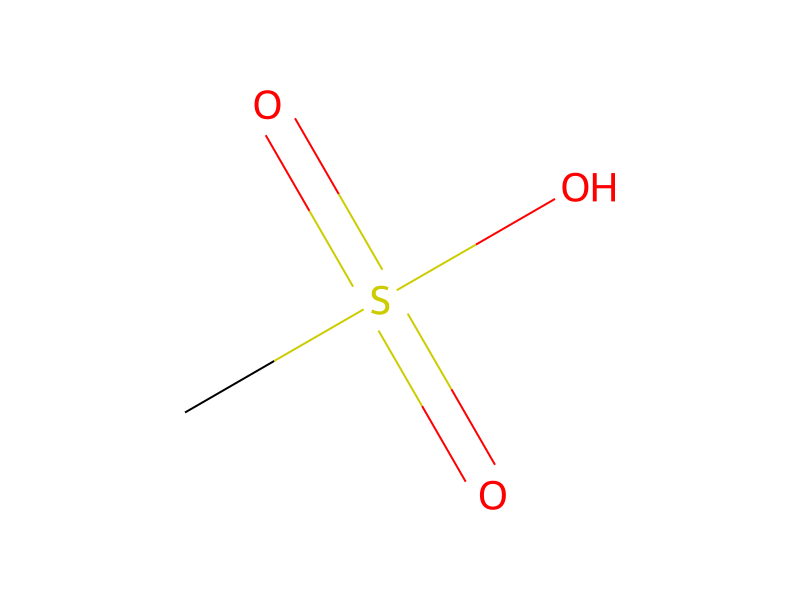
In a 120 mL high-pressure autoclave were charged (E)-N′-(1-phenylethylidene)benzohydrazide (119 mg) [mw. 238.28, 0.5 mmol], [Rh(cod) (S,S)-ptbp-skewphos)]OTf (5.1 mg) [mw. 1025.08, 5.0 μmol, s/c 100], and methanesulfonic acid (0.5 mg) [mw. 96.11, 5.0 μmol, 0.01 eq.]. The system was substituted with argon 7 times. 10 mL Schlenk flask was substituted with argon, pure water (9 mg) [mw. 18.02, 0.5 mmol, 1.0 eq.] and dehydrated acetone for organic synthesis (5 mL) were added, and the solution was fed into an autoclave by argon pressure supply. The system was substituted with hydrogen gas, and the mixture was stirred with hydrogen gas pressurization at 1.0 MPa for 2 hr. The system was depressurized, and analyzed by high performance liquid chromatography to find that the starting material, (E)-N′-(1-phenylethylidene)benzohydrazide, remained by 43%, and the resultant product, N′-(1-phenylethyl)benzohydrazide was produced by 45%, and the decomposed product, acetophenone, was produced by 7%.
Workup
- customfor organic synthesis (5 mL)
- additionwere added
Sources & evidence
- ORD record
- ord-f168855fc4a14d89996f2cd39b0909cb
- Source dataset
- uspto-grants-2016_01
- Patent number
- US09238667B2
Reaction notes
Loading…