Benzyl Alcohol → 4-(Benzyloxy)-3-nitropyridine
Reaction equation

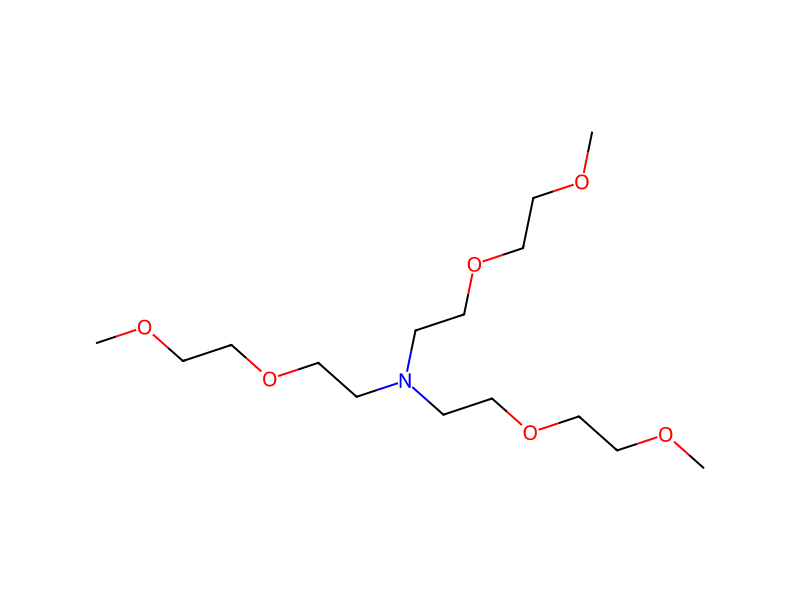
Cl[C:2]1[CH:7]=[CH:6][N:5]=[CH:4][C:3]=1[N+:8]([O-:10])=[O:9].[C:11]1([CH2:17][OH:18])[CH:16]=[CH:15][CH:14]=[CH:13][CH:12]=1.C([O-])([O-])=O.[K+].[K+].[OH-].[K+].COCCOCCN(CCOCCOC)CCOCCOC>C1(C)C=CC=CC=1>[CH2:17]([O:18][C:2]1[CH:7]=[CH:6][N:5]=[CH:4][C:3]=1[N+:8]([O-:10])=[O:9])[C:11]1[CH:16]=[CH:15][CH:14]=[CH:13][CH:12]=1Participants
7
Reactant 5




Product 1

Reagents, catalysts & solvents 1

Procedure
4-chloro-3-nitropyridine (30 g, 0.19 mol) was slowly added to a suspension of phenylmethanol (30 mL, 0.29 mol), K2CO3 (26.2 g, 0.19 mol and KOH (42.5 g, 0.76 mmol) in toluene (2 L) at 0° C. A catalytic amount of tris[2-(2-methoxyethoxyl)ethyl]amine was added to the reaction mixture, which was then stirred at room temperature for 2 hours. After filtration, the resulting filtrate was concentrated to give the crude product, which was crystallized from DCM/PE (1:5) to afford 4-(benzyloxy)-3-nitropyridine (27.3 g, yield: 62.7%). 1H-NMR (CDCl3, 400 MHz) δ 9.00 (s, 1H), 8.56 (d, J=6.0 Hz, 1H), 7.34˜7.43 (m, 5H), 7.03 (d, J=6.0 Hz, 1H), 5.29 (s, 2H). MS (M+H)+: 231.
Workup
- filtrationAfter filtration
- concentrationthe resulting filtrate was concentrated
- customto give the crude product, which
- customwas crystallized from DCM/PE (1:5)
Sources & evidence
- ORD record
- ord-b1e298d37457465db63e8beff0430bbb
- Source dataset
- uspto-grants-2016_01
- Patent number
- US09243002B2
Reaction notes
Loading…