Acetone → HCID 53959004, compound
Reaction equation

[Na].[OH:2][C:3]1[CH:4]=[C:5]([CH:17]=[CH:18][CH:19]=1)[O:6][C:7]1[CH:12]=[CH:11][C:10]([N+:13]([O-:15])=[O:14])=[C:9]([NH2:16])[CH:8]=1.[N:20]1(CCCl)[CH2:25][CH2:24][CH2:23][CH2:22][CH2:21]1.[CH3:29][C:30](C)=O>>[NH:20]1[CH2:21][CH2:22][CH2:23][CH2:24][CH:25]1[CH2:29][CH2:30][O:2][C:3]1[CH:4]=[C:5]([CH:17]=[CH:18][CH:19]=1)[O:6][C:7]1[CH:12]=[CH:11][C:10]([N+:13]([O-:15])=[O:14])=[C:9]([NH2:16])[CH:8]=1Participants
5




Procedure
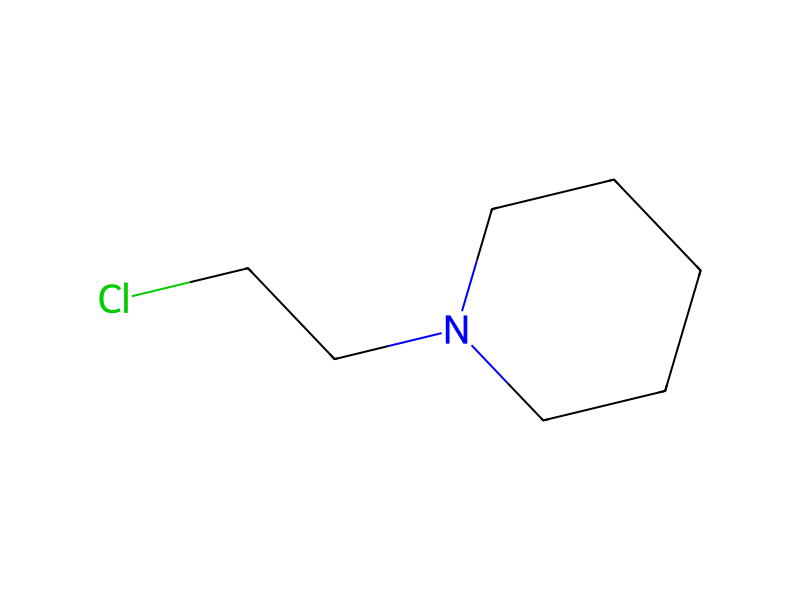
A mixture of 13.4 g of the sodium salt of 4-(3-hydroxyphenoxy)-2-amino-nitrobenzene in 100 ml of acetone was stirred with 7.5 g of piperidino-ethyl-chloride for three hours on on steam bath. Then the solvent was evaporated under reduced pressure, the residue was dissolved in diluted acetic acid and the solution was made alkaline with ammonia. To isolate the free 4-[3-(2-piperidyl-ethoxy)-phenoxy]-2-amino-nitrobenzene the emulsion was worked up over ethyl acetate and after evaporating the solvent 17 g of the compound were obtained in an oily form, which could be used directly for hydrogenation.
Workup
- customThen the solvent was evaporated under reduced pressure
- dissolutionthe residue was dissolved in diluted acetic acid
Sources & evidence
- ORD record
- ord-83d52c1f08014f6c8efa73796d2c5916
- Source dataset
- uspto-grants-1977_03
- Patent number
- US04010272
Reaction notes
Loading…