Ammonia → HCID 131710681, compound
Reaction equation

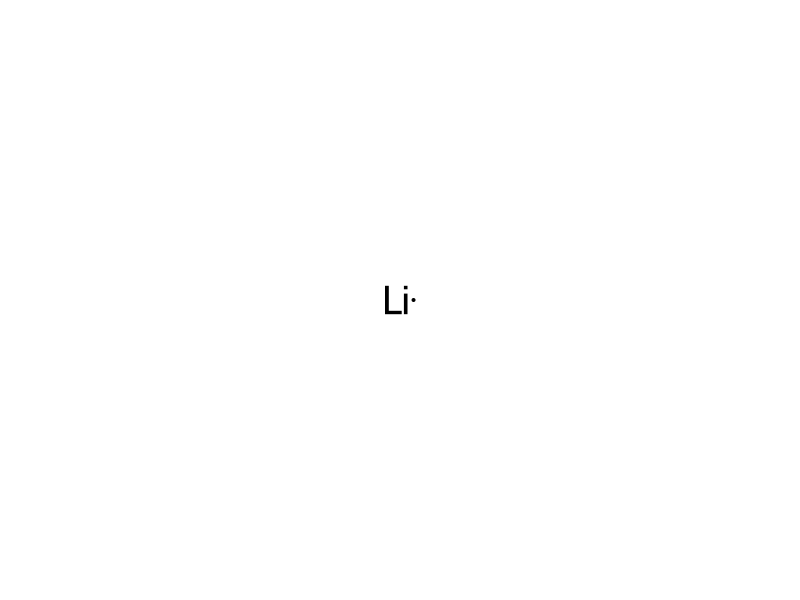
[Li].C#C.[Li].N.C#C.[C:8]([C:10]1([OH:30])[C:15]2([CH2:19][CH2:18][CH2:17][CH2:16]2)[CH:14]([CH2:20][C:21]2[CH:26]=[CH:25][C:24]([O:27][CH3:28])=[CH:23][CH:22]=2)[N:13]([CH3:29])[CH2:12][CH2:11]1)#[CH:9].[ClH:31]>>[ClH:31].[CH2:8]([C:10]1([OH:30])[C:15]2([CH2:16][CH2:17][CH2:18][CH2:19]2)[CH:14]([CH2:20][C:21]2[CH:26]=[CH:25][C:24]([O:27][CH3:28])=[CH:23][CH:22]=2)[N:13]([CH3:29])[CH2:12][CH2:11]1)[CH3:9]Participants
7





Procedure
In a manner similar to the method described in example 47, 4.5 g of 6-(p-methoxybenzyl)-7-methyl-7-azaspiro [4.5] decan-10-one (obtained from 8 g of the picrate described in example 36) is reacted with acetylene lithium, prepared by dissolution of 1.1 g of lithium in 200 ml of liquid ammonia saturated with acetylene. The crude reaction product, 10-ethinyl-6-(p-methoxybenzyl)-7-methyl-7-azaspiro [4.5] decan-10-ol, is submitted to catalytic hydrogenation in the usual manner, giving the above-mentioned compound. The hydrochloride melts at 217°-220° C with decomposition. Yield 76%.
Workup
- customgiving the above-mentioned compound
Sources & evidence
- ORD record
- ord-5a648360ff3549e2bd697615a952fa7b
- Source dataset
- uspto-grants-1977_03
- Patent number
- US04012392
Reaction notes
Loading…