Acetic Anhydride → Decanoic Acid
Reaction equation

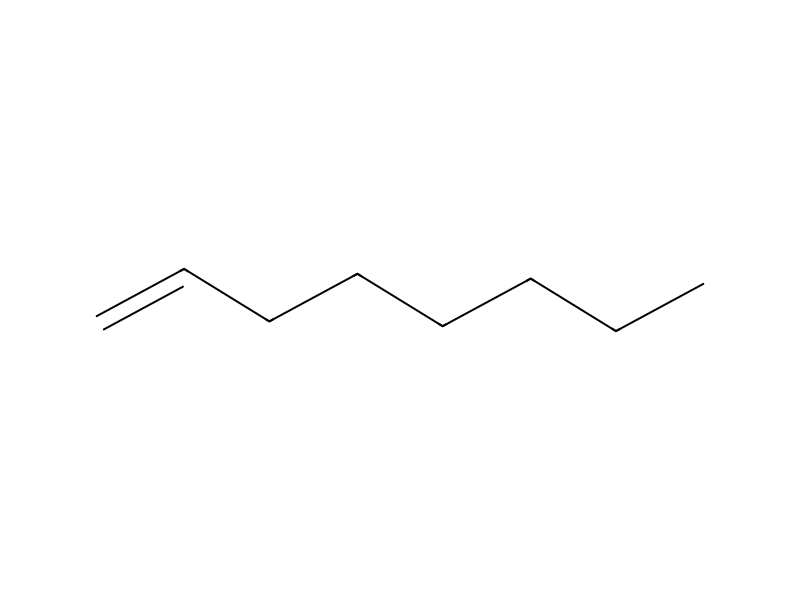
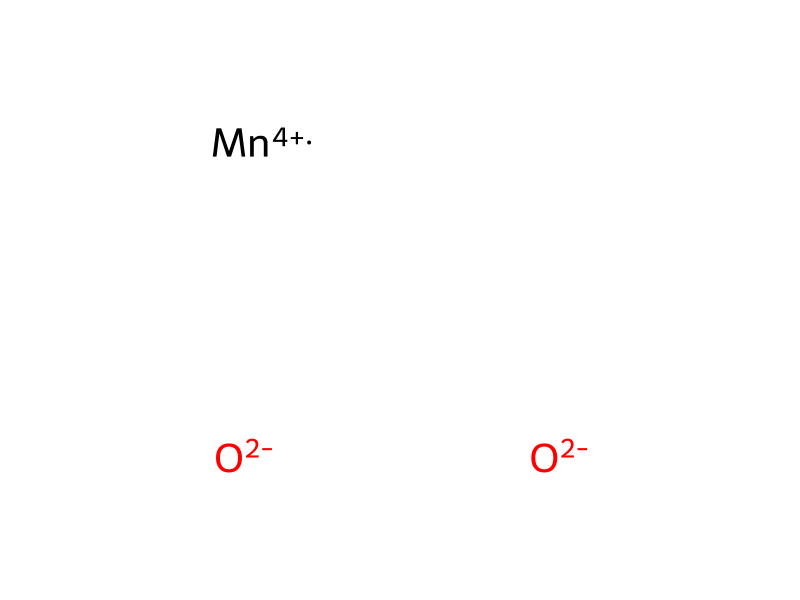
[CH3:1][CH2:2][CH2:3][CH2:4][CH2:5][CH2:6][CH:7]=[CH2:8].C([O:12][C:13](=[O:15])[CH3:14])(=O)C>[O-2].[O-2].[Mn+4].C(O)(=O)C>[C:13]([OH:12])(=[O:15])[CH2:14][CH2:1][CH2:2][CH2:3][CH2:4][CH2:5][CH2:6][CH2:7][CH3:8]Participants
Reactant 2

Product 1

Reagents, catalysts & solvents 2

Procedure
A process similar to the instant case is described in the Belgian Patent Specification 734,184 and while this known process may give a good yield of (ar)alkane carboxylic acid, this acid, upon further analysis is found largely to consist of a reaction product in which two carbonyl compounds are bonded to said (ar)alkene per ethylene group of the (ar)alkene one of which compounds can be removed by hydrolysis. If the carbonyl compound is a combination of acetic acid and acetic anhydride, the product formed will mainly be gamma-acetoxyalkanoic acid in the case of an alpha-olefin instead of the commercially far more important alkanoic acid without an acetoxy group in the gamma position. In Example I of the afore-mentioned patent specification, using as starting materials octene-1 and a mixture of 500 ml of acetic acid and 100 ml of acetic anhydride with manganese dioxide as a coupling reagent, there is obtained a 75% yield of n-decanoic acid. However, the percentage indicated can only have been arrived at due to a misinterpretation of the results of the analysis. The same comment applies with respect to Example IX of the Belgian patent specification.
Sources & evidence
- ORD record
- ord-4493a750277542619b34de4679c056e0
- Source dataset
- uspto-grants-1977_03
- Patent number
- US04014910
Reaction notes
Loading…