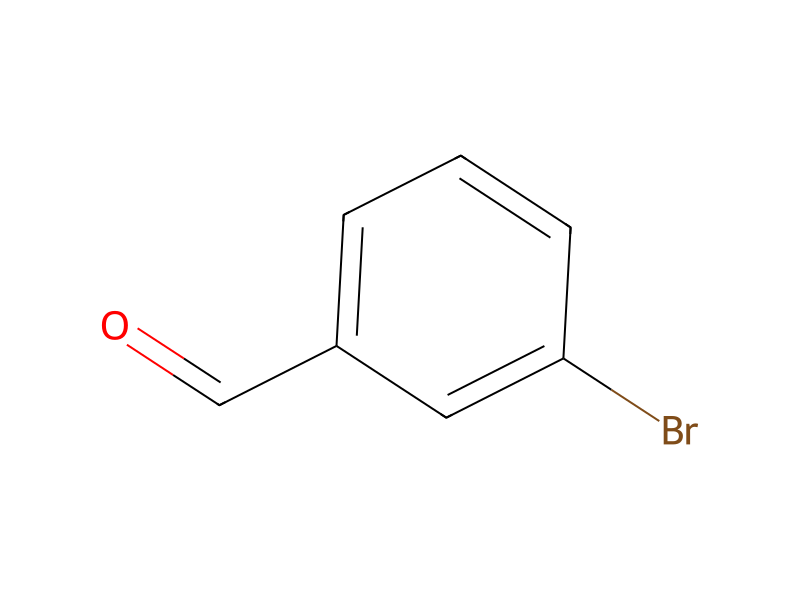
3-Bromobenzaldehyde → HCID 136374087, compound
Reaction equation

[NH2:1][N:2]1[C:7](=[O:8])[C:6]([C:9]2[NH:14][C:13]3[CH:15]=[CH:16][CH:17]=[CH:18][C:12]=3[S:11](=[O:20])(=[O:19])[N:10]=2)=[C:5]([OH:21])[C:4]2[S:22][CH:23]=[CH:24][C:3]1=2.[Br:25][C:26]1[CH:27]=[C:28]([CH:31]=[CH:32][CH:33]=1)[CH:29]=O>CN(C)C(=O)C>[Br:25][C:26]1[CH:27]=[C:28]([CH:29]=[N:1][N:2]2[C:7](=[O:8])[C:6]([C:9]3[NH:14][C:13]4[CH:15]=[CH:16][CH:17]=[CH:18][C:12]=4[S:11](=[O:20])(=[O:19])[N:10]=3)=[C:5]([OH:21])[C:4]3[S:22][CH:23]=[CH:24][C:3]2=3)[CH:31]=[CH:32][CH:33]=1Participants
4


Conditions
- Temperature
- 25 °C
Procedure
The product of Example 268D (0.115 g, 0.30 mmol) was reacted with 3-bromobenzaldehyde (0.555 g, 3.0 mmol) in N,N-dimethylacetamide (2 mL) in a sealed tube at 135° C. for 30 minutes in a microwave reactor. The reaction was cooled to 25° C. and concentrated under vacuum. The resulting residue was triturated with ethyl acetate (3 mL) and filtered to give the title compound.
Workup
- concentrationconcentrated under vacuum
- customThe resulting residue was triturated with ethyl acetate (3 mL)
- filtrationfiltered
Sources & evidence
- ORD record
- ord-6ab844f3f78b46918a408a41b1c88230
- Source dataset
- uspto-grants-2011_03
- Patent number
- US07902203B2
Reaction notes
Loading…