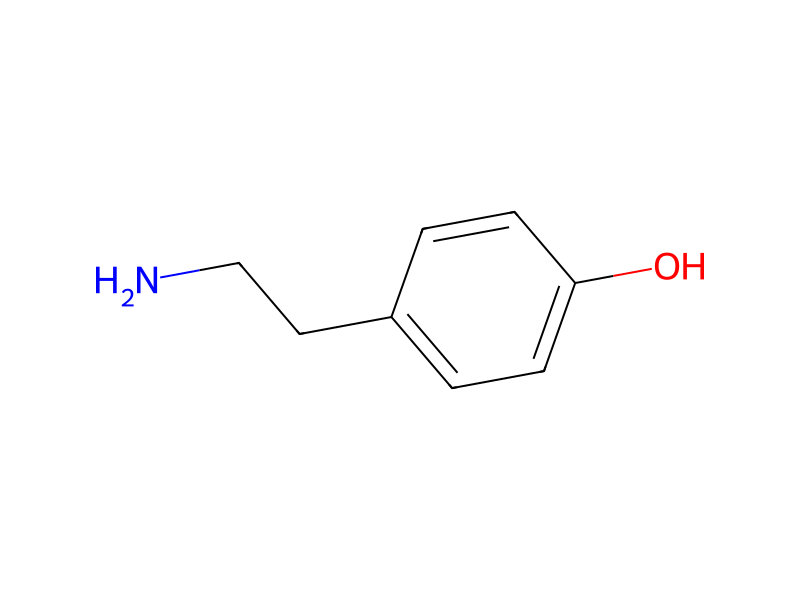
Tyramine → HCID 59717865, compound
Reaction equation

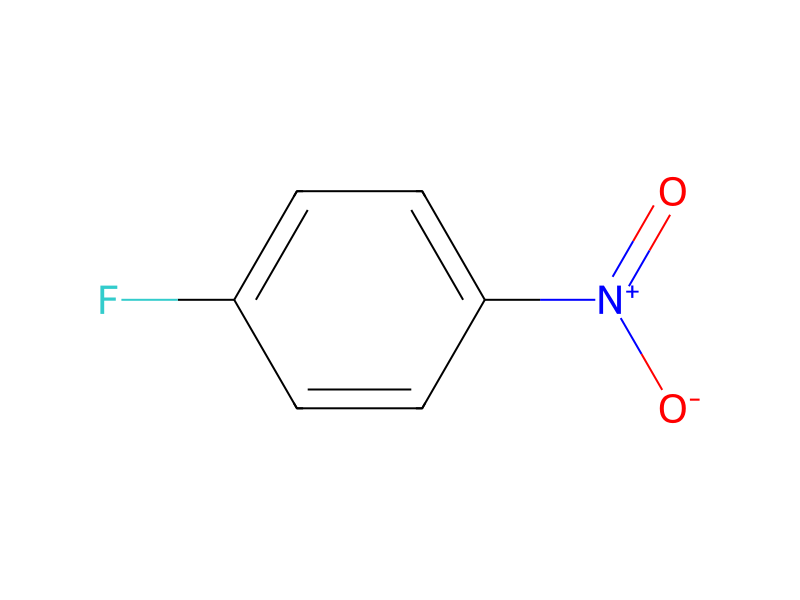
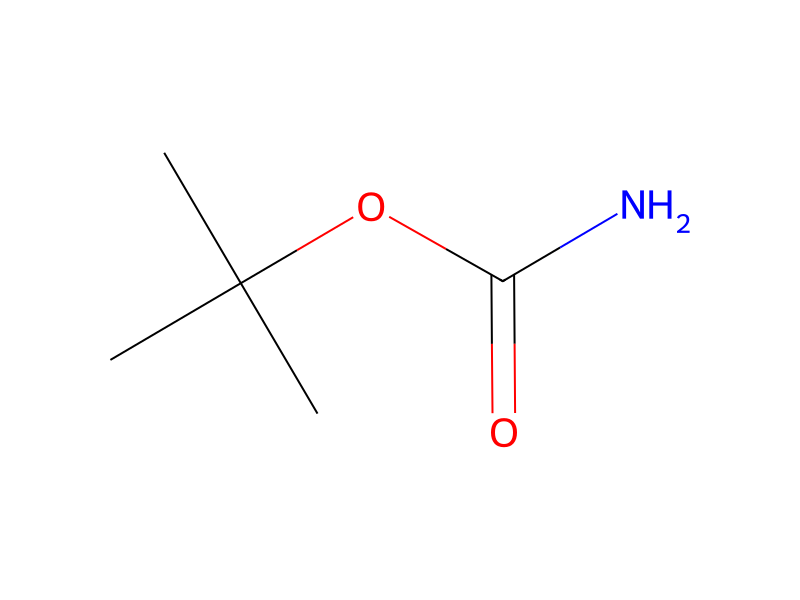
[NH2:1][CH2:2][CH2:3][C:4]1[CH:9]=[CH:8][C:7]([OH:10])=[CH:6][CH:5]=1.[C:11](=[O:18])([O:13][C:14]([CH3:17])([CH3:16])[CH3:15])N.F[C:20]1[CH:25]=[CH:24][C:23]([N+:26]([O-:28])=[O:27])=[CH:22][CH:21]=1.C(=O)([O-])[O-].[Cs+].[Cs+]>CN(C=O)C>[C:14]([O:13][C:11](=[O:18])[NH:1][CH2:2][CH2:3][C:4]1[CH:9]=[CH:8][C:7]([O:10][C:20]2[CH:25]=[CH:24][C:23]([N+:26]([O-:28])=[O:27])=[CH:22][CH:21]=2)=[CH:6][CH:5]=1)([CH3:17])([CH3:16])[CH3:15]Participants
6
Reactant 4

Product 1

Reagents, catalysts & solvents 1

Procedure
As shown in scheme 5, tyramine is protected as the t-butyl carbamate 22 and then reacted with 4-fluoronitrobenzene with cesium carbonate in DMF to yield the corresponding biarylether, {2-[4-(4-nitro-phenoxy)-phenyl]-ethyl}-carbamic acid tert-butyl ester (19). Compound 19 is reduced by catalytic hydrogenation with palladium on carbon at the nitro group to afford the amine 23. Compound 23 is then N-acylated with acetyl chloride to afford the N-acyl compound 25. The t-Boc protecting group is removed from compound 25 using TFA in dichloromethane and the resulting amine 26 is reacted with various aldehydes under reductive amination conditions to afford compound 27.
Sources & evidence
- ORD record
- ord-c852ece4736a4c1ebfadb8c966612e4f
- Source dataset
- uspto-grants-2011_03
- Patent number
- US07902372B2
Reaction notes
Loading…