Pyridine → Benzyl (3S)-3-[(tert-butoxycarbonyl)amino]pyrrolidine-1-carboxylate
Reaction equation

[NH:1]1[CH2:5][CH2:4][C@H:3]([NH:6][C:7](=[O:13])[O:8][C:9]([CH3:12])([CH3:11])[CH3:10])[CH2:2]1.N1C=CC=CC=1.Cl[C:21]([O:23][CH2:24][C:25]1[CH:30]=[CH:29][CH:28]=[CH:27][CH:26]=1)=[O:22]>C(Cl)Cl.O>[C:9]([O:8][C:7]([NH:6][C@H:3]1[CH2:4][CH2:5][N:1]([C:21]([O:23][CH2:24][C:25]2[CH:30]=[CH:29][CH:28]=[CH:27][CH:26]=2)=[O:22])[CH2:2]1)=[O:13])([CH3:10])([CH3:12])[CH3:11]Participants
6

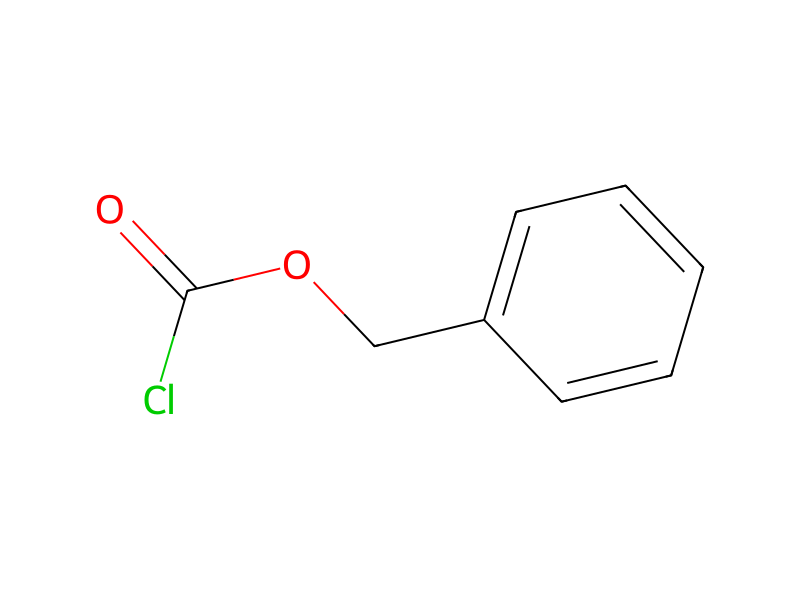




Conditions
- Temperature
- 0 °C
Procedure
A solution of (S)-tert-butyl pyrrolidin-3-ylcarbamate (4.2 g, 22 mmol) in methylene chloride (49 mL) was cooled at 0° C. and treated with pyridine (2.2 mL, 29 mmol) and benzyl chloroformate (3.8 mL, 29 mmol). The mixture was stirred at 0° C. for 30 minutes and then warmed to ambient temperature and stirred for 4 hours. The reaction mixture was diluted with water (100 mL) and methylene chloride (100 mL), the organic layer was separated, dried over sodium sulfate, filtered, concentrated in vacuo, and purified by flash chromatography (silica, 40 g, ISCO, 1-100% ethyl acetate in heptanes) to afford the title compound as a white solid, which was used in the next step without any further purification (5.2 g, 73%).
Workup
- temperaturewarmed to ambient temperature
- stirringstirred for 4 hours
- customthe organic layer was separated
- dry with materialdried over sodium sulfate
- filtrationfiltered
- concentrationconcentrated in vacuo
- custompurified by flash chromatography (silica, 40 g, ISCO, 1-100% ethyl acetate in heptanes)
Sources & evidence
- ORD record
- ord-09d563a7bcb14c8787418e340988d1a7
- Source dataset
- uspto-grants-2016_09
- Patent number
- US09440976B2
Reaction notes
Loading…