Hydrochloric Acid → 5-Bromo-4-methoxy-2-methylbenzoic acid
Reaction equation

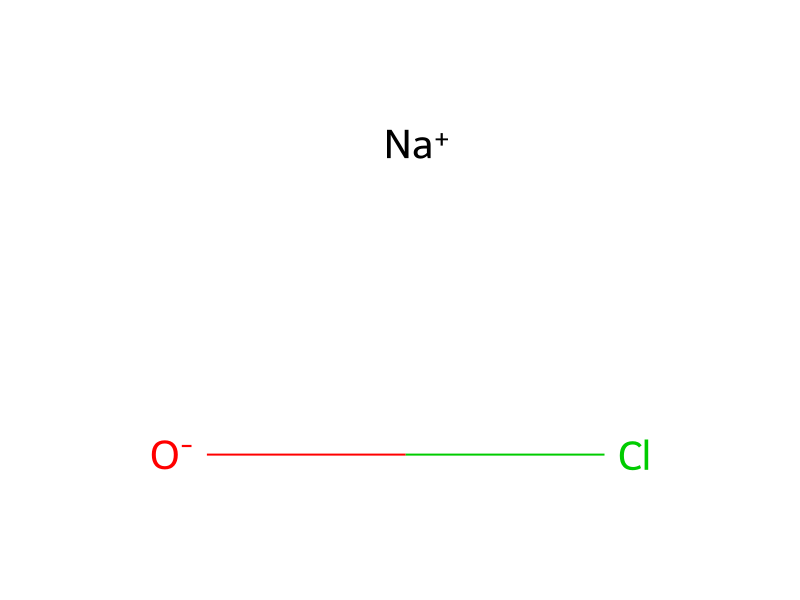
[Br:1][C:2]1[C:3]([O:12][CH3:13])=[CH:4][C:5]([CH3:11])=[C:6]([C:8](=[O:10])C)[CH:7]=1.BrC1C(C)=C(C(=O)C)C=CC=1[O:21]C.[O-]Cl.[Na+].[OH-].[K+].Cl>>[Br:1][C:2]1[C:3]([O:12][CH3:13])=[CH:4][C:5]([CH3:11])=[C:6]([CH:7]=1)[C:8]([OH:10])=[O:21]Participants




Procedure
Alternatively, 5-bromo-4-methoxy-2-methylbenzoic acid can be synthesized from 4′-hydroxy-2′-methylacetophenone as a starting material. Potassium carbonate (0.720 mg, 5.21 mmol) and methyl iodide (0.542 g, 3.82 mmol) were added to an acetone (10 mL) solution of 4′-hydroxy-2′-methylacetophenone (0.552 g, 3.47 mmol) and stirred at room temperature for 12 hours. Methyl iodide (0.24 g, 1.73 mmol) was further added, and the mixture was heated to reflux for two hours. After cooled to room temperature, the solvent was evaporated under reduced pressure. After chloroform was added to the residue, insolubles were filtered off and the filtrate was concentrated to obtain 4′-methoxy-2′-methylacetophenone (0.57 g). Then, oxone (0.79 g, 1.27 mmol) and NaBr (0.13 g, 1.27 mmol) were added to an acetone (4 mL) water (4 mL) solution of 4′-methoxy-2′-methylacetophenone (0.21 g, 1.27 mmol), and stirred at room temperature for one hour. After water and ethyl acetate were added to the reaction mixture, the organic layer was separated and washed with water, a saturated sodium carbonate aqueous solution and brine and dried with anhydrous magnesium sulfate. After the desiccant was filtered off, the solvent was evaporated under reduced pressure to obtain 4:1 mixture (0.28 g) of 5′-bromo-4′-methoxy-2′-methylacetophenone and 3′-bromo-4′-methoxy-2′-methylacetophenone. Then, 4:1 mixture (0.26 g) of 5′-bromo-4′-methoxy-2′-methylacetophenone and 3′-bromo-4′-methoxy-2′-methylacetophenone was added with 5% NaOCl solution (3 mL) and potassium hydroxide (0.92 g) and heated to reflux for 2.5 hours. After cooled to room temperature, the reaction mixture was made acidic with 2M HCl. After the mixture was extracted with ethyl acetate, the organic phase was washed with 1M HCl, brine and then dried with anhydrous magnesium sulfate. After the desiccant was filtered off, the residue obtained by evaporating the solvent under reduced pressure was washed with methanol to obtain 5-bromo-4-methoxy-2-methylbenzoic acid (112 mg) as a colorless powder.
Workup
- temperatureheated
- temperatureto reflux for 2.5 hours
- extractionAfter the mixture was extracted with ethyl acetate
- washthe organic phase was washed with 1M HCl, brine
- dry with materialdried with anhydrous magnesium sulfate
- filtrationAfter the desiccant was filtered off
- customthe residue obtained
- customby evaporating the solvent under reduced pressure
- washwas washed with methanol
Sources & evidence
- ORD record
- ord-17358d06c5ea42169b482e0062db1a8f
- Source dataset
- uspto-grants-2011_03
- Patent number
- US07910619B2
Reaction notes
Loading…