N,N-dimethyl-4-(4,4,5,5-tetramethyl-1,3,2-dioxaborolan-2-yl)aniline → Biphenyl
Reaction equation

CC(C)(C)N=P(N1CCCC1)(N1CCCC1)N1CCCC1.CN(C)c1ccc(B2OC(C)(C)C(C)(C)O2)cc1.COC(=O)[C@@H]1C[C@@H](OC(=O)N2Cc3cccc(Br)c3C2)CN1C(=O)OCc1ccccc1>CC(C)(C)[PH](C(C)(C)C)(C(C)(C)C)[Pd]1([Cl])[NH]c2ccccc2-c2cccc[c]21.CCC(C)(C)O.CS(C)=O.O>COC(=O)[C@@H]1C[C@@H](OC(=O)N2Cc3cccc(-c4ccc(N(C)C)cc4)c3C2)CN1C(=O)OCc1ccccc1Participants
10
Reactant 2


Product 3


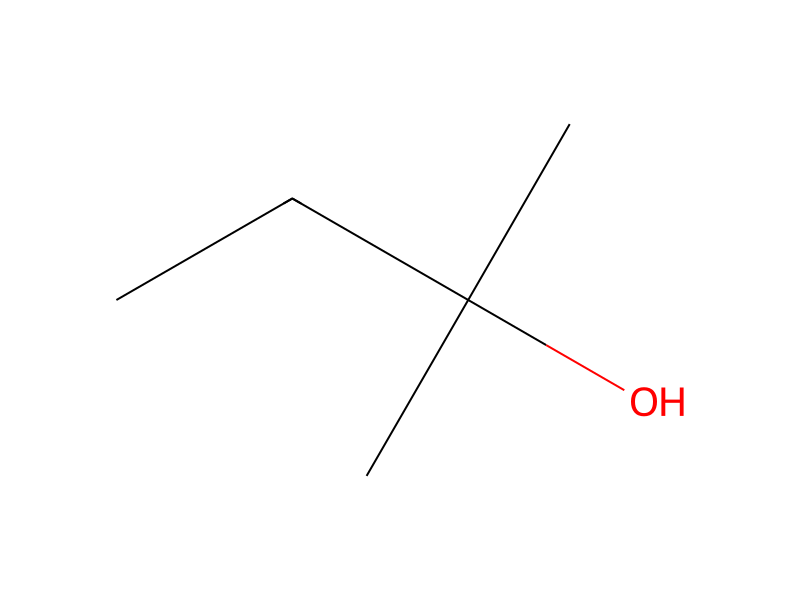
Reagents, catalysts & solvents 5




Workup
- additionAfter 22 hours the crude reactions were diluted with 3 x 1 uL 0.5 M AcOH in DMSO (containing PhPh as an internal standard). The reactions were mixed after each dispense operation.
- aliquotMosquito(R) was used to transfer 1 uL of each quenched reaction from the 1,536-well reaction plate to 384-well analytical plates containing 60 uL DMSO for analysis.
Sources & evidence
- ORD record
- ord-58daf2acc51d44cf96b5eb60495e2e1a
- Source dataset
- Cernak miniaturized Suzuki Cross-Coupling 12x10 Informer Library
- Original link
- View source
Reaction notes
Loading…