Benzylamine → N-benzyl-3-nitrobenzamide
Reaction equation

[N+:1]([C:4]1[CH:5]=[C:6]([CH:10]=[CH:11][CH:12]=1)[C:7](Cl)=[O:8])([O-:3])=[O:2].[CH2:13]([NH2:20])[C:14]1[CH:19]=[CH:18][CH:17]=[CH:16][CH:15]=1>C(OCC)(=O)C>[C:14]1([CH2:13][NH:20][C:7](=[O:8])[C:6]2[CH:10]=[CH:11][CH:12]=[C:4]([N+:1]([O-:3])=[O:2])[CH:5]=2)[CH:19]=[CH:18][CH:17]=[CH:16][CH:15]=1Participants
4
Reactant 2
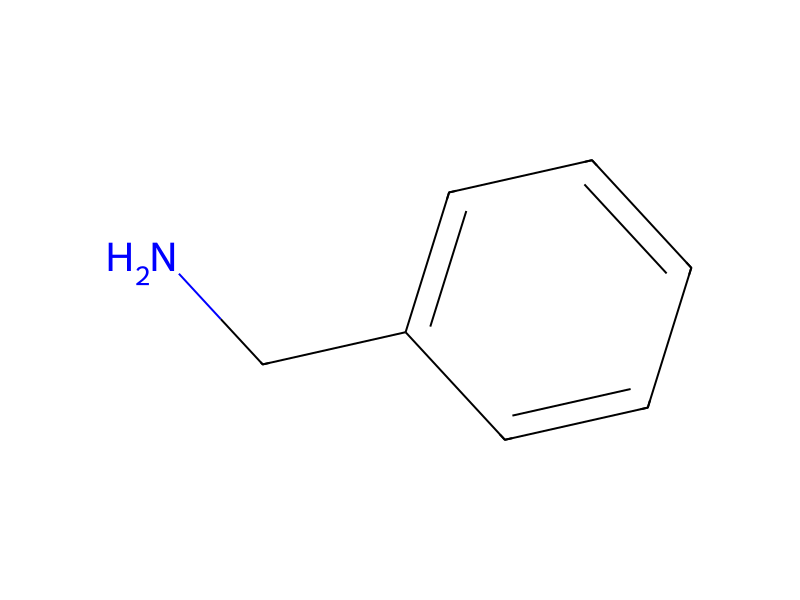

Product 1

Reagents, catalysts & solvents 1

Conditions
- Temperature
- 20 °C
Procedure
A sample of m-nitrobenzoyl chloride, 7.4 g in 300 ml of ethyl acetate was treated with 11 ml of benzyl amine. After 30 minutes, the mix was washed with 100 ml of water. The ethyl acetate layer was concentrated hot to 100 ml and diluted with heptane until solids formed, and then the mix was stirred overnight and allowed to cool to 20° C. The solids were then collected to give N-phenylmethyl-3-nitrobenzamide. m.s. (M+H)+ =257
Workup
- washthe mix was washed with 100 ml of water
- concentrationThe ethyl acetate layer was concentrated hot to 100 ml
- additiondiluted with heptane until solids
- customformed
- customThe solids were then collected
Sources & evidence
- ORD record
- ord-7ef0187dd33e4df5b02625a958dbb7e1
- Source dataset
- uspto-grants-1999_12
- Patent number
- US05998399
Reaction notes
Loading…