Ethylene Glycol → 6-Bromo-2-tetralone ethylene ketal
Reaction equation

[Br:1][C:2]1[CH:3]=[C:4]2[C:9](=[CH:10][CH:11]=1)[CH2:8][C:7](=[O:12])[CH2:6][CH2:5]2.C(OC)(OC)OC.[CH2:20](O)[CH2:21][OH:22]>ClCCl.C1(C)C=CC(S(O)(=O)=O)=CC=1>[CH2:21]1[O:22][C:7]2([CH2:6][CH2:5][C:4]3[C:9](=[CH:10][CH:11]=[C:2]([Br:1])[CH:3]=3)[CH2:8]2)[O:12][CH2:20]1Participants
6

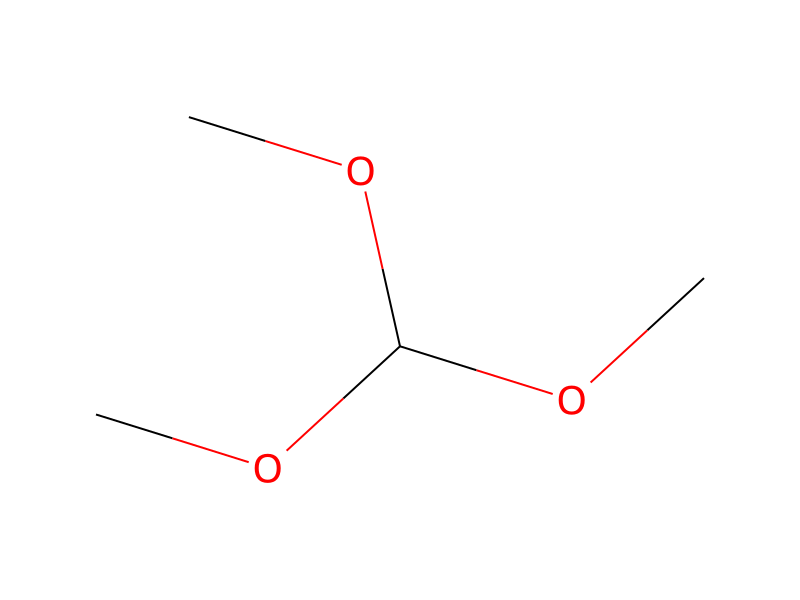




Procedure
A mixture of 6-bromo-2-tetralone (8.80 g, 39 mmol), trimethyl orthoformate (17.2 ml, 157 mmol), ethylene glycol (16.2 ml, 290 mmol) and p-toluenesulfonic acid (0.07 g, 0.37 mmol) in dry dichloromethane (200 ml) was stirred at room temperature for 18 h, then partitioned between saturated aqueous NaHCO3 (100 ml) and dichloromethane (2×50 ml). The combined organic extracts were dried (Na2SO4) then evaporated in vacuo to give an oil. Column chromatography on silica with 0-10% diethyl ether-hexane gradient elution gave 6-bromo-2-tetralone ethylene ketal as a yellow oil (8.84 g, 84%).
Workup
- custompartitioned between saturated aqueous NaHCO3 (100 ml) and dichloromethane (2×50 ml)
- dry with materialThe combined organic extracts were dried (Na2SO4)
- customthen evaporated in vacuo
- customto give an oil
- washColumn chromatography on silica with 0-10% diethyl ether-hexane gradient elution
Sources & evidence
- ORD record
- ord-9d6123ec528341dca5bb19624afc85c6
- Source dataset
- uspto-grants-1999_12
- Patent number
- US06008219
Reaction notes
Loading…