Catechol → Ethylene Oxide
Reaction equation

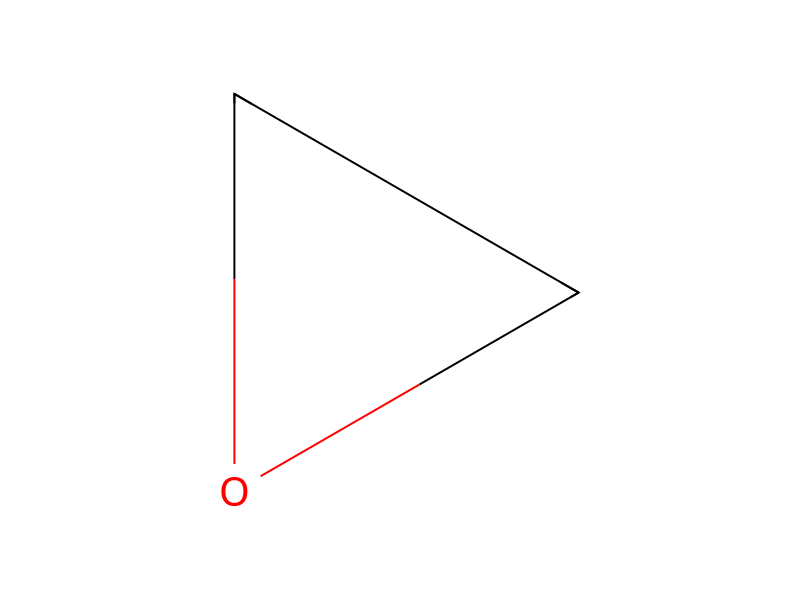
[C:1]1([C:3](=[CH:5][CH:6]=[CH:7][CH:8]=1)[OH:4])[OH:2].[OH-].[Na+].[CH2:11]1[O:13][CH2:12]1>>[C:1]1([C:3](=[CH:5][CH:6]=[CH:7][CH:8]=1)[OH:4])[OH:2].[CH2:12]1[O:13][CH2:11]1.[CH2:5]1[O:4][CH2:3]1Participants



Procedure
In the same manner as in Example 1, 206 parts of catechol and 1.1 parts of sodium hydroxide were reacted with 494 parts of ethylene oxide at not higher than 5 kg/cm2, at 120°-150° C. for 40 minutes thereby to obtain a catechol-ethylene oxide adduct (the average amount of ethylene oxide, n=3) which was a light-yellow viscous liquid. In the same manner as in Example 1, 72.2 parts of the adduct so obtained, 27.8 parts of acrylic acid, 0.1 part of hydroquinone, 1.0 part of p-toluenesulfonic acid and 10.0 parts of benzene were reacted together at 90°-110° C. for 9 hours to produce a reaction mixture having an acid value of 3.9. The reaction mixture so produced was then heated to 110°-120° C. for two hours to remove the benzene therefrom thereby obtaining a light-yellow liquid (y=2).
Sources & evidence
- ORD record
- ord-b57ff089f7564156acb4fbbb6a8300f8
- Source dataset
- uspto-grants-1979_03
- Patent number
- US04144283
Reaction notes
Loading…