Ethyl Acetate → HCID 21327987, compound
Reaction equation

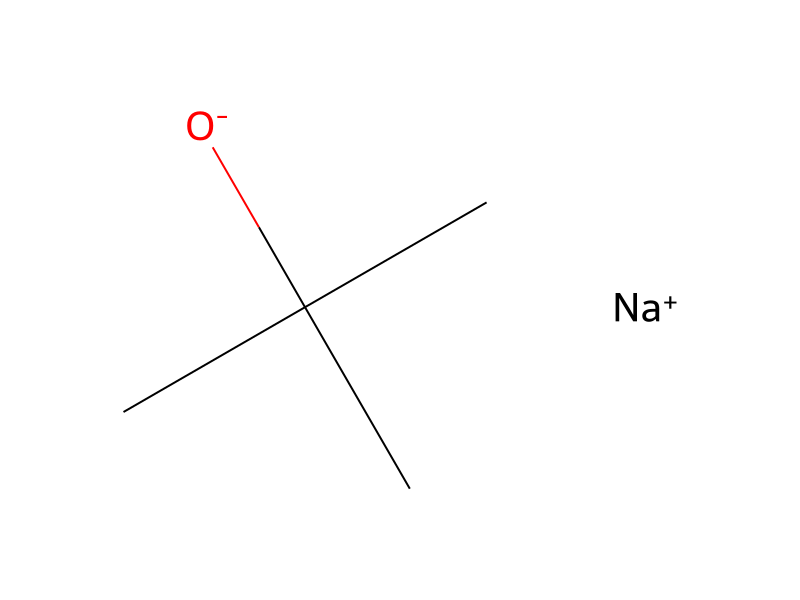
[CH3:1][N:2]([CH3:14])[C:3]1[N:8]=[N:7][C:6]([C:9]([O:11]CC)=O)=[CH:5][CH:4]=1.[C:15]([O:18][CH2:19][CH3:20])(=[O:17])[CH3:16].CC(C)([O-])C.[Na+]>C1(C)C=CC=CC=1>[CH3:14][N:2]([CH3:1])[C:3]1[N:8]=[N:7][C:6]([C:9](=[O:11])[CH2:16][C:15]([O:18][CH2:19][CH3:20])=[O:17])=[CH:5][CH:4]=1Participants
Reactant 3


Product 1

Reagents, catalysts & solvents 1

Conditions
- Temperature
- 20 °C
Procedure
Ethyl 3-(6-dimethylaminopyridazin-3-yl)-3-oxopropionate can be obtained by adding, over the course of 10 minutes at a temparature of about 30° C., a solution of ethyl (6-dimethylaminopyridazin-3-yl)carboxylate (39 g) and of ethyl acetate (35.2 g) in anhydrous toluene (480 cc) to a suspension of sodium tert.-butoxide (38.4 g) in anhydrous toluene (350 cc). The reaction mixture is then stirred for 60 hours at a temperature of about 20° C., after which 12N hydrochloric acid (35 cc) and distilled water (600 cc) are added. The aqueous phase is removed by decantation and washed with methylene chloride (2 × 200 cc). The combined organic fractions are dried over magnesium sulphate, filtered and evaporated to dryness under reduced pressure. Ethyl 3-(6-dimethylaminopyridazin-3-yl)-3-oxopropionate (39.7 g) is thus obtained in the form of a yellow oil.
Workup
- additionby adding, over the course of 10 minutes at a temparature of about 30° C.
- distillationafter which 12N hydrochloric acid (35 cc) and distilled water (600 cc)
- additionare added
- customThe aqueous phase is removed by decantation
- washwashed with methylene chloride (2 × 200 cc)
- dry with materialThe combined organic fractions are dried over magnesium sulphate
- filtrationfiltered
- customevaporated to dryness under reduced pressure
Sources & evidence
- ORD record
- ord-a71298bb1b21434c814cabbcaeaf90e6
- Source dataset
- uspto-grants-1979_03
- Patent number
- US04145423
Reaction notes
Loading…