N-methyl-2-pyrrolidone → 2-Chloro-6(dichloromethyl)pyridine
Reaction equation

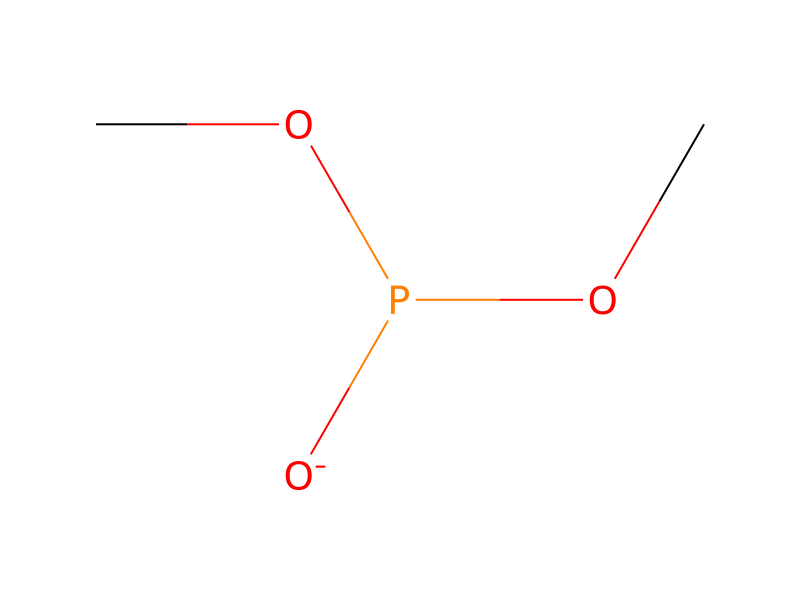
[Cl:1][C:2]1[CH:7]=[CH:6][CH:5]=[C:4]([C:8](Cl)([Cl:10])[Cl:9])[N:3]=1.CN1CCCC1=O.COP([O-])OC.[OH-].[Na+]>O.N1C=CC=CC=1>[Cl:1][C:2]1[CH:7]=[CH:6][CH:5]=[C:4]([CH:8]([Cl:10])[Cl:9])[N:3]=1Participants






Procedure
In a stirred reaction vessel was placed 2.31 grams (0.010 mole) of 2-chloro-6-(trichloromethyl)pyridine, 20 ml of N-methylpyrrolidone and 1.35 grams (0.011 mole) of dimethylphosphite. The mixture was heated for about 21/2 hours. During this period, 50 percent aqueous sodium hydroxide was slowly added to maintain the pH slightly basic. At the end of the reaction period, there was 1% of the pyridine starting material remaining. Additionally, it was found that 0.0225 mole of the aqueous sodium hydroxide had been added. The reaction mixture was poured into water, extracted with methylene chloride, dried and the methylene chloride removed by evaporation, to yield 1.6 grams (80% of theoretical) of crude 2-chloro-6-(dichloromethyl)pyridine.
Workup
- customIn a stirred reaction vessel
- temperatureThe mixture was heated for about 21/2 hours
- waitDuring this period
- temperatureto maintain the pH slightly basic
- customAt the end of the reaction period, there
- additionhad been added
- extractionextracted with methylene chloride
- customdried
- customthe methylene chloride removed by evaporation
Sources & evidence
- ORD record
- ord-a70934c0ad1045e7b726224308af545a
- Source dataset
- uspto-grants-1985_02
- Patent number
- US04499277
Reaction notes
Loading…