Phenethyl bromide → 3-(3,4-Dimethoxyphenyl)-1-(2-phenylethyl)piperidine
Reaction equation

[CH3:1][O:2][C:3]1[CH:4]=[C:5]([CH:11]2[CH2:16][CH2:15][CH2:14][NH:13][CH2:12]2)[CH:6]=[CH:7][C:8]=1[O:9][CH3:10].[CH2:17](Br)[CH2:18][C:19]1[CH:24]=[CH:23][CH:22]=[CH:21][CH:20]=1>C(Cl)(Cl)Cl.[Ag]=O>[C:19]1([CH2:18][CH2:17][N:13]2[CH2:14][CH2:15][CH2:16][CH:11]([C:5]3[CH:6]=[CH:7][C:8]([O:9][CH3:10])=[C:3]([O:2][CH3:1])[CH:4]=3)[CH2:12]2)[CH:24]=[CH:23][CH:22]=[CH:21][CH:20]=1Participants
5
Reactant 2


Product 1

Reagents, catalysts & solvents 2

Procedure
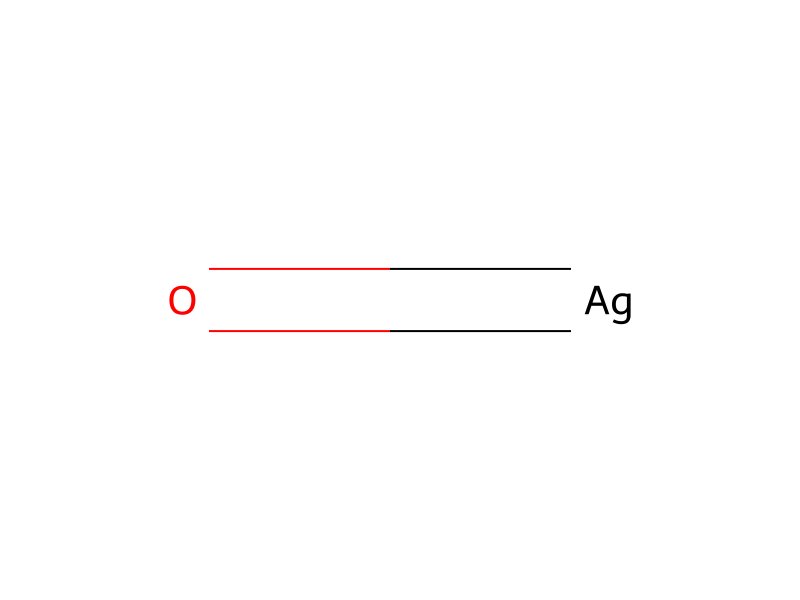
500 mg of silver oxide were added to a mixture of 1 g of 3-(3',4'-dimethoxyphenyl)-piperidine in 5 ml of chloroform and then 0.7 ml of phenethyl bromide was added thereto dropwise. The mixture was stirred for 6 hours at room temperature and then 250 mg of silver oxide and 0.35 ml of phenethyl bromide were added thereto. The mixture was stirred at room temperature for 16 hours and was filtered to remove insolubles. The filtrate was evaporated to dryness under reduced pressure and the residue was chromatographed over silica gel. Elution with a 6-3-1 cyclohexane-chloroform-triethylamine mixture yielded 1.045 g of amorphous N-(β-phenylethyl)-3-(3',4'-dimethoxyphenyl)-piperidine.
Workup
- stirringThe mixture was stirred at room temperature for 16 hours
- filtrationwas filtered
- customto remove insolubles
- customThe filtrate was evaporated to dryness under reduced pressure
- customthe residue was chromatographed over silica gel
- washElution with a 6-3-1 cyclohexane-chloroform-triethylamine mixture
Sources & evidence
- ORD record
- ord-2a0a806888fa40129e0e8fbc42da57b0
- Source dataset
- uspto-grants-1978_02
- Patent number
- US04072685
Reaction notes
Loading…