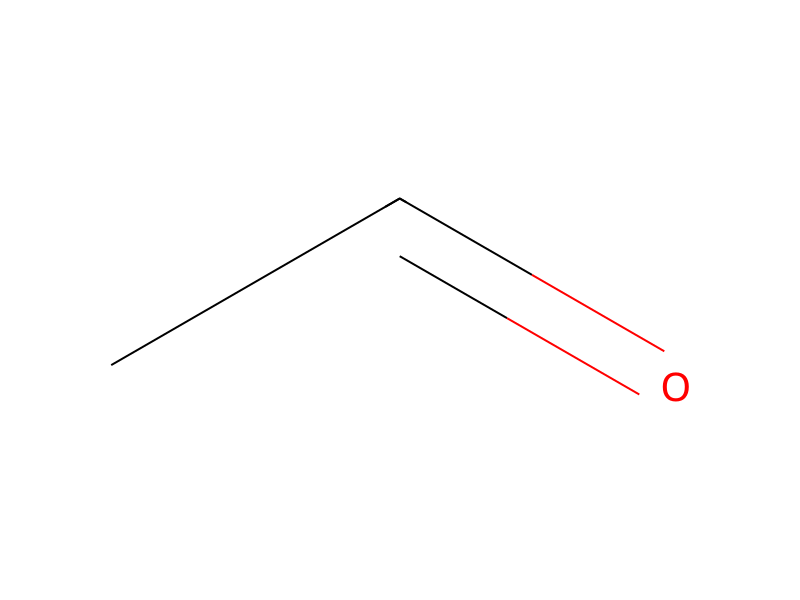
Acetaldehyde → HCID 54363972, compound
Reaction equation

C(O[CH:4](OCC)[CH2:5][CH2:6][CH:7]([NH2:12])[CH2:8][CH2:9][CH2:10][CH3:11])C.Cl.[CH2:17]([O:19][C:20](=[O:30])[CH2:21][C:22](=[O:29])[CH2:23][C:24]([O:26][CH2:27][CH3:28])=[O:25])[CH3:18].[CH:31](=O)[CH3:32].C(=O)([O-])[O-].[Na+].[Na+]>C(O)C>[CH3:31][CH:32]1[CH:23]([C:24]([O:26][CH2:27][CH3:28])=[O:25])[C:22](=[O:29])[CH:21]([C:20]([O:19][CH2:17][CH3:18])=[O:30])[CH:4]2[N:12]1[CH:7]([CH2:8][CH2:9][CH2:10][CH3:11])[CH2:6][CH2:5]2Participants
7
Reactant 5




Product 1

Reagents, catalysts & solvents 1

Procedure
A solution of 434 g (2 (Mol) 4-amino-octanal diethyl-acetal in 2 liters of ethanol (water free) was brought to pH4 with 0.5 N hydrochloric acid. To this solution 404 g (2 Mol) diethyl-3-oxo- glutarate and 88 g (2 Mol) acetaldehyde were added. The reaction mixture was stirred during three days at room temperature and was then brought to pH7 to 8 by addition of sodium carbonate powder.
Sources & evidence
- ORD record
- ord-40459d80e8d544c599d723790c55694f
- Source dataset
- uspto-grants-1978_02
- Patent number
- US04073882
Reaction notes
Loading…