Sodium Hydroxide → 4-[(4-Amino-2-bromophenylthio)methyl]pyridine
Reaction equation

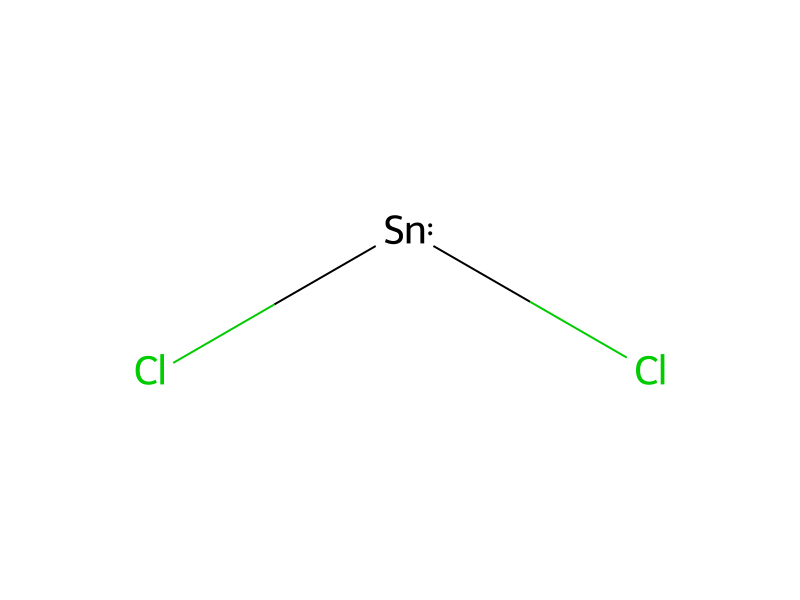
[Br:1][C:2]1[CH:7]=[C:6]([N+:8]([O-])=O)[CH:5]=[CH:4][C:3]=1[S:11][CH2:12][C:13]1[CH:18]=[CH:17][N:16]=[CH:15][CH:14]=1.[Sn](Cl)Cl.[OH-].[Na+]>C(O)C.Cl.O>[NH2:8][C:6]1[CH:5]=[CH:4][C:3]([S:11][CH2:12][C:13]2[CH:18]=[CH:17][N:16]=[CH:15][CH:14]=2)=[C:2]([Br:1])[CH:7]=1Participants
7






Conditions
- Temperature
- 60 °C
Procedure
4-[(2-Bromo-4-nitrophenylthio)methyl]pyridine (D14) (0.800 g, 2.56 mmol) was dissolved in ethanol (40 ml) and heated to 60° C. with stifling. A solution of tin (II) chloride (1.696 g, 8.96 mmol) in conc. HCl (8 ml) was then added dropwise. The reaction mixture was heated under reflux for 2 h, then allowed to cool, diluted with water (40 ml) and basified to pH14 by the addition of 10% sodium hydroxide. The reaction mixture was concentrated in vacuo and the aqueous residue was extracted with dichloromethane (2×70 ml). The combined organic layers were then dried (Na2SO4) and evaporated under reduced pressure to give the title compound as a brown oil, which was dried in vacuo (0.670 g, 93%).
Workup
- temperatureThe reaction mixture was heated
- temperatureunder reflux for 2 h
- temperatureto cool
- concentrationThe reaction mixture was concentrated in vacuo
- extractionthe aqueous residue was extracted with dichloromethane (2×70 ml)
- dry with materialThe combined organic layers were then dried (Na2SO4)
- customevaporated under reduced pressure
Sources & evidence
- ORD record
- ord-426e9dd47b264041b0ca1ee14f9789a0
- Source dataset
- uspto-grants-1999_09
- Patent number
- US05952325
Reaction notes
Loading…