Potassium Carbonate → (4-Chloro-2-methyl-3-nitrophenoxy)acetonitrile
Reaction equation

[Cl:1][C:2]1[CH:7]=[CH:6][C:5]([OH:8])=[C:4]([CH3:9])[C:3]=1[N+:10]([O-:12])=[O:11].Br[CH2:14][C:15]#[N:16].C(=O)([O-])[O-].[K+].[K+]>CC(=O)CC>[Cl:1][C:2]1[CH:7]=[CH:6][C:5]([O:8][CH2:14][C:15]#[N:16])=[C:4]([CH3:9])[C:3]=1[N+:10]([O-:12])=[O:11]Participants
5
Reactant 3

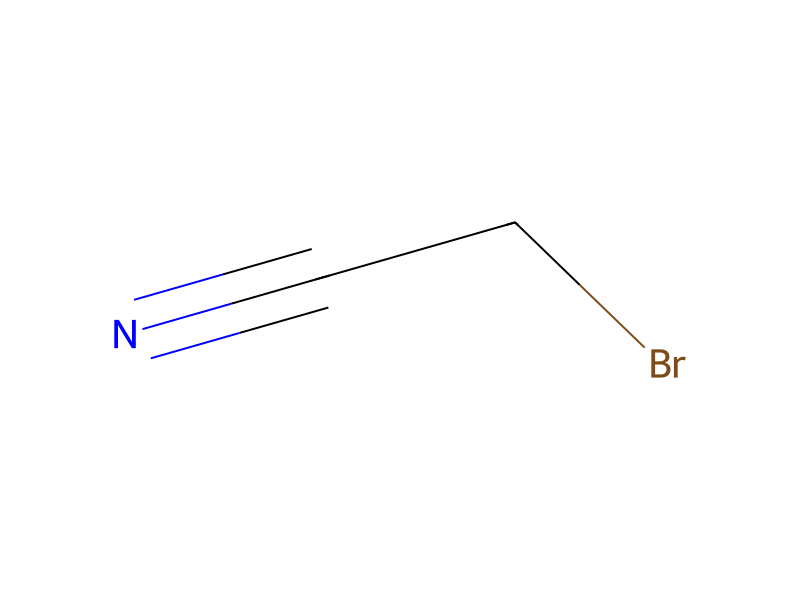

Product 1

Reagents, catalysts & solvents 1

Conditions
- Temperature
- 80 °C
Procedure
A mixture of 4-chloro-2-methyl-3-nitrophenol (7.6 g), bromoacetonitrile (3.4 mL), and potassium carbonate (16.8 g) in 2-butanone (80 mL) was heated at 80° C. for 2 hr under an atmosphere of nitrogen. The reaction mixture was cooled to room temperature, then filtered to remove the salts. The filtrate was diluted with ethyl ether (200 mL), washed with saturated sodium chloride solution, and dried over magnesium sulfate. Evaporation of the solvent afforded a yellow solid (9.1 g).
Workup
- temperatureThe reaction mixture was cooled to room temperature
- filtrationfiltered
- customto remove the salts
- additionThe filtrate was diluted with ethyl ether (200 mL)
- washwashed with saturated sodium chloride solution
- dry with materialdried over magnesium sulfate
- customEvaporation of the solvent
Sources & evidence
- ORD record
- ord-ce9f9009324647548b5d209bc97c9679
- Source dataset
- uspto-grants-1999_09
- Patent number
- US05952362
Reaction notes
Loading…