Chloroacetonitrile → N-Butyl Morpholinium Acetonitrile
Reaction equation

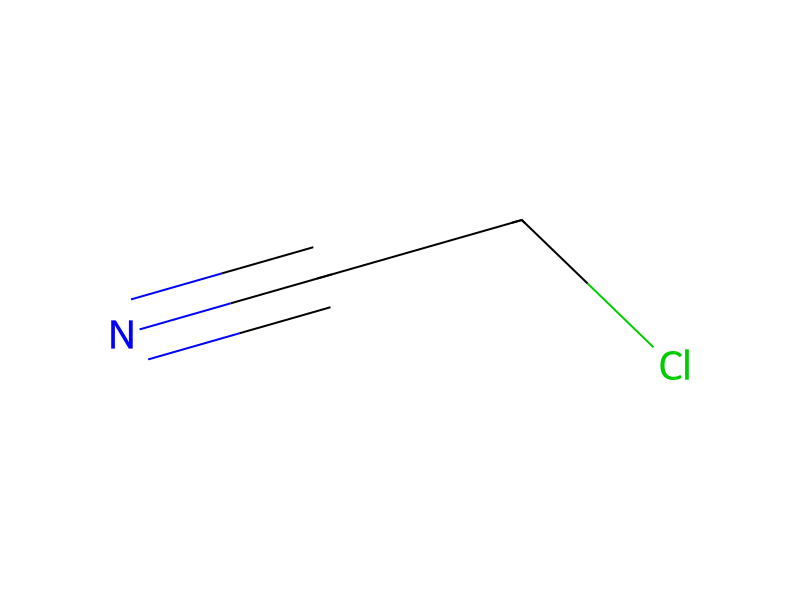
[CH2:1]([N:5]1[CH2:10][CH2:9][O:8][CH2:7][CH2:6]1)[CH2:2][CH2:3][CH3:4].ClCC#N.[13CH4]>C(OC(=O)C)C>[C:1](#[N:5])[CH3:2].[CH2:1]([NH+:5]1[CH2:10][CH2:9][O:8][CH2:7][CH2:6]1)[CH2:2][CH2:3][CH3:4]Participants
Reactant 3


Product 1

Reagents, catalysts & solvents 1

Conditions
- Temperature
- 60 °C
Procedure
Combined were 10 g of butylbromide, 6.36 g morpholine, and 28.0 g anhydrous sodium carbonate with 150 ml of acetone in a large round bottom flask. This mixture was refluxed for 8 hours at the boiling point of acetone or approximately 60° C., then cooled to room temperature and the solid sodium carbonate filtered. Acetone was removed using a roto-evaporator. The resulting oil was dissolved in ether and washed twice with water and once with brine solution. The ether solution was dried over anhydrous sodium sulfate. After filtering, ether was removed in-vacuo leaving 5.15 g of product estimated at 49.3% yield. Gas chromatography showed the product to be N-butyl morpholine in approximately 95% purity. Combined 7.2 g of N-butyl morpholine together with 3.0 ml of chloroacetonitrile in a small vial. After capping the vial was heated to 60° C. for approximately 24 hours. An oil resulted which solidified upon addition of a small amount of ethylacetate. The solid was filtered and washed with excess ethylacetate, then dried in a vacuum dessicator resulting in a white solid in nearly stoichiometric yield. Carbon-13 NMR analysis revealed the desired product present with no other detectable impurities noted.
Workup
- customAn oil resulted which
- filtrationThe solid was filtered
- washwashed with excess ethylacetate
- customdried in a vacuum dessicator
- customresulting in a white solid in nearly stoichiometric yield
Sources & evidence
- ORD record
- ord-462bca724de8410abfcc4182b2310640
- Source dataset
- uspto-grants-1999_09
- Patent number
- US05958289
Reaction notes
Loading…