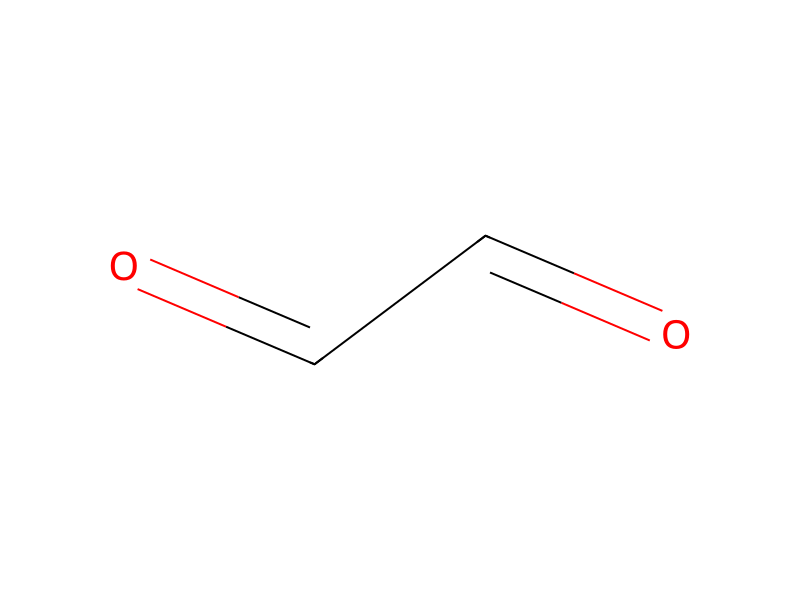
Glyoxal → HCID 21846945, compound
Reaction equation

[CH:1]1[C:10]2[C:5](=[C:6]([S:11]([C:14]3[CH:15]=[C:16]([NH2:21])[C:17]([NH2:20])=[CH:18][CH:19]=3)(=[O:13])=[O:12])[CH:7]=[CH:8][CH:9]=2)[CH:4]=[CH:3][N:2]=1.[CH:22]([CH:24]=O)=O.S(=O)(O)[O-].[Na+].[OH-].[Na+]>O>[CH:1]1[C:10]2[C:5](=[C:6]([S:11]([C:14]3[CH:15]=[C:16]4[C:17](=[CH:18][CH:19]=3)[N:20]=[CH:24][CH:22]=[N:21]4)(=[O:13])=[O:12])[CH:7]=[CH:8][CH:9]=2)[CH:4]=[CH:3][N:2]=1Participants
6
Reactant 4



Product 1

Reagents, catalysts & solvents 1

Conditions
- Temperature
- 80 °C
Procedure
To a suspension of 4-(5-Isoquinolylsulfonyl)-1,2-benzenediamine 300 mg (1.0 mmol) in water, a 40% glyoxal solution 450 mg (3.1 mmol) and sodium bisulfite 650 mg (3.1 mmol) and water 8 ml were added, and the mixture was heated with stirring for 2 hours at 80° C. The reaction mixture was alkalized with 1N sodium hydroxide, and the solution was extracted with ethyl acetate. The organic layer was washed with saturated sodium chloride, and dried over anhydrous magnesium sulfate, and concentrated under reduced pressure. The resulting residue was purified by silica gel column chromatography (chloroform:acetone=5:1), and 6-(5-isoquinolylsulfonyl)quinoxaline 210 mg (66.3%) was obtained.
Workup
- temperaturethe mixture was heated
- extractionthe solution was extracted with ethyl acetate
- washThe organic layer was washed with saturated sodium chloride
- dry with materialdried over anhydrous magnesium sulfate
- concentrationconcentrated under reduced pressure
- customThe resulting residue was purified by silica gel column chromatography (chloroform:acetone=5:1)
Sources & evidence
- ORD record
- ord-340f8ecc23634d419b880cd182ec5f95
- Source dataset
- uspto-grants-1999_09
- Patent number
- US05959107
Reaction notes
Loading…