Hydrochloric Acid → Ethyl 1-(2,6-diethylphenyl)-1H-imidazole-5-carboxylate
Reaction equation

[CH2:1]([C:3]1[CH:19]=[CH:18][CH:17]=[C:16]([CH2:20][CH3:21])[C:4]=1[N:5]([C:8](=[CH:14]O)[C:9]([O:11][CH2:12][CH3:13])=[O:10])[CH:6]=O)[CH3:2].Cl.C([NH2:25])=O>>[CH2:1]([C:3]1[CH:19]=[CH:18][CH:17]=[C:16]([CH2:20][CH3:21])[C:4]=1[N:5]1[C:8]([C:9]([O:11][CH2:12][CH3:13])=[O:10])=[CH:14][N:25]=[CH:6]1)[CH3:2]Participants
4

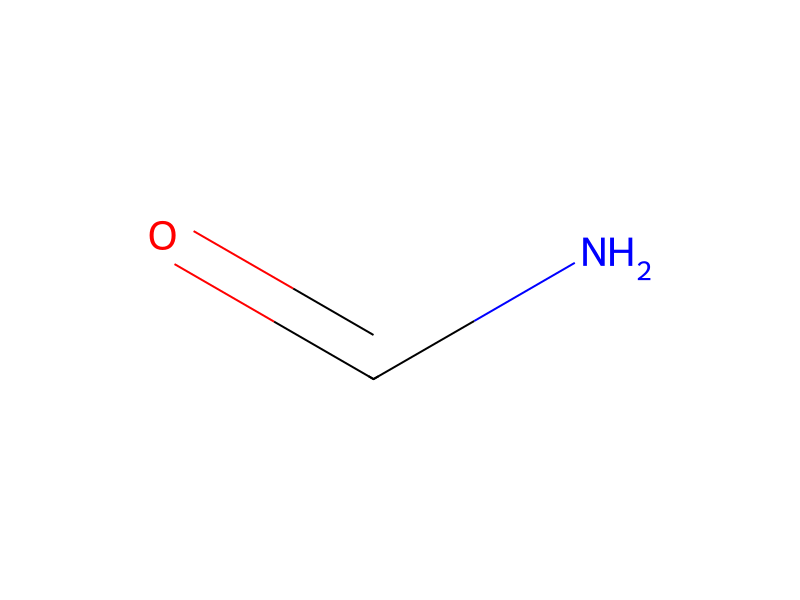


Procedure
17.8 g (0.06 mole) of ethyl 2-(2,6-diethyl-N-formylanilino)-3-hydroxyacrylate were heated with stirring together with 10 ml of concentrated hydrochloric acid and 50 ml of formamide for 8 hours at an oil bath temperature of 160° C. (internal temperature 140° C.). After cooling, the product was extracted by shaking with a mixture of 100 ml of water and 100 ml of diisopropyl ether, the organic layer was separated off and the aqueous phase was extracted once more with diisopropyl ether. The combined organic phases were dried over sodium sulphate and evaporated. 14.8 g (90% of theory) of the title compound were obtained in the form of a colorless oil of boiling point 145° C./0.01 mm Hg.
Workup
- temperatureAfter cooling
- extractionthe product was extracted
- customthe organic layer was separated off
- extractionthe aqueous phase was extracted once more with diisopropyl ether
- dry with materialThe combined organic phases were dried over sodium sulphate
- customevaporated
Sources & evidence
- ORD record
- ord-e4aa966194b74b168893600021b37299
- Source dataset
- uspto-grants-1989_04
- Patent number
- US04820335
Reaction notes
Loading…