Sodium Carbonate → HCID 178488938, compound
Reaction equation

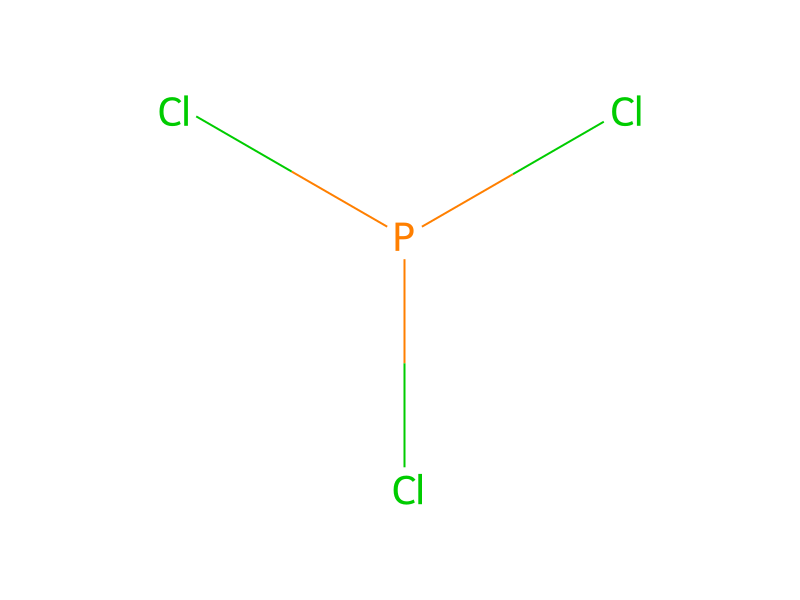
O[N:2]1[C:6]([C:7]2[CH:8]=[N:9][CH:10]=[CH:11][CH:12]=2)=[C:5]([CH3:13])[N:4]=[C:3]1[C:14]1[CH:19]=[CH:18][C:17]([O:20][CH3:21])=[C:16]([O:22][CH3:23])[CH:15]=1.P(Cl)(Cl)Cl.C(=O)([O-])[O-].[Na+].[Na+]>C(Cl)Cl>[CH3:23][O:22][C:16]1[CH:15]=[C:14]([C:3]2[NH:2][C:6]([C:7]3[CH:8]=[N:9][CH:10]=[CH:11][CH:12]=3)=[C:5]([CH3:13])[N:4]=2)[CH:19]=[CH:18][C:17]=1[O:20][CH3:21]Participants
5




Procedure
To a suspension of 1-hydroxy-2-(3,4-dimethoxyphenyl)-4-methyl-5-(3-pyridyl)imidazole (0.68 g) in methylene chloride (9 ml) was added phosphorus trichloride (0.76 ml) at ambient temperature. The mixture was refluxed for 1 hour, and cooled. The mixture was adjusted to pH 7.8 with aqueous sodium carbonate. The organic layer was separated, washed with brine, dried over magnesium sulfate, and evaporated. The residue was triturated with diisopropyl ether to give 2-(3,4-dimethoxyphenyl)-4-methyl-5-(3-pyridyl)imidazole (0.39 g).
Workup
- temperatureThe mixture was refluxed for 1 hour
- temperaturecooled
- customThe organic layer was separated
- washwashed with brine
- dry with materialdried over magnesium sulfate
- customevaporated
- customThe residue was triturated with diisopropyl ether
Sources & evidence
- ORD record
- ord-d7a7a69ca50a454ab5e38d10dcdb7a88
- Source dataset
- uspto-grants-1989_04
- Patent number
- US04822805
Reaction notes
Loading…