Glycine → L-Leucine
Reaction equation

[NH2:1][C@H:2]([C:10]([OH:12])=[O:11])[CH2:3][CH2:4]CNC(=N)N.N[C@H:14](C(O)=O)CC(O)=O.[NH2:22][C@H:23]([C:30]([OH:32])=[O:31])[CH2:24][C:25]1N=CN[CH:26]=1.N[CH2:34]C(O)=O>>[NH2:1][C@H:2]([C:10]([OH:12])=[O:11])[CH:3]([CH3:14])[CH3:4].[NH2:22][C@H:23]([C:30]([OH:32])=[O:31])[CH2:24][CH:25]([CH3:34])[CH3:26]Participants
6
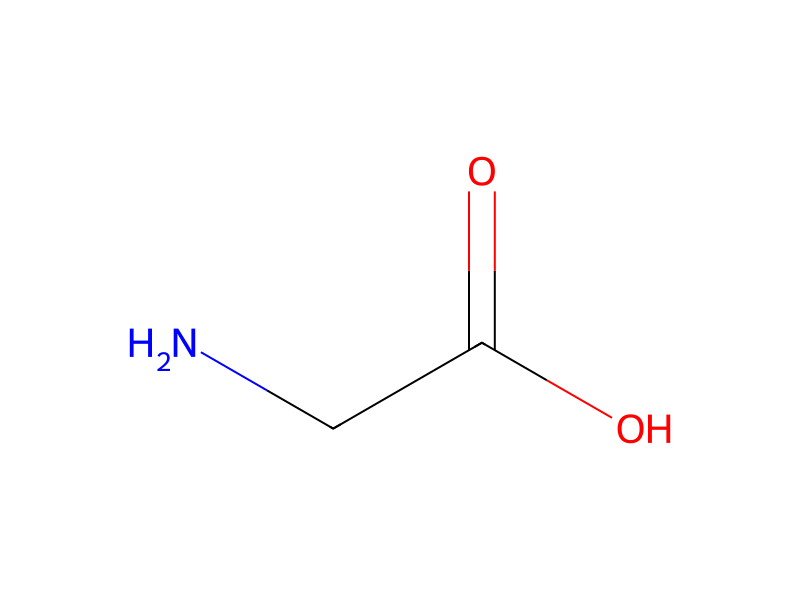


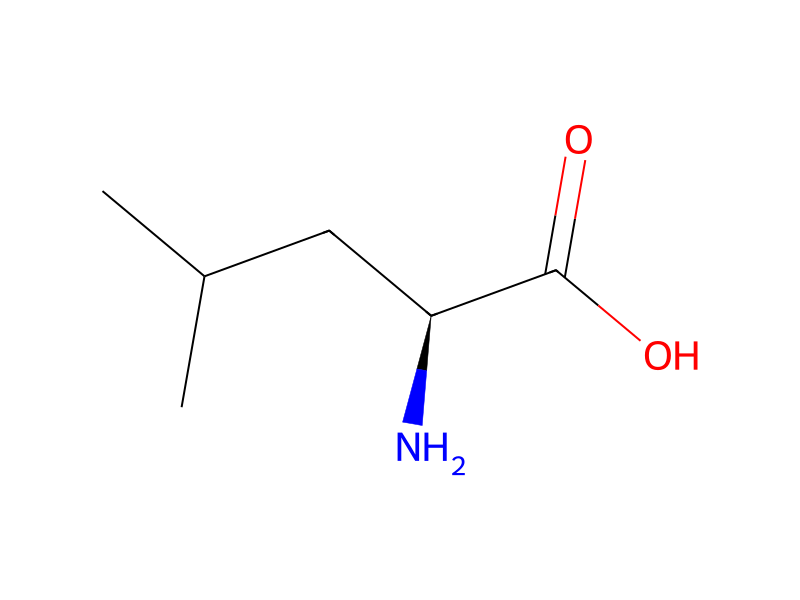

Procedure
Incubation of C. difficile NCTC 11204 spores with arginine, aspartic acid or histidine with glycine and ST produced large log reductions in CFU/mL of 2.78 (99.8%), 3.06(9.99%) and 3.12 (99.9%) respectively after heat shocking. Valine (with glycine and ST) and leucine (with glycine and ST) produced log reductions in CFU/mL of 1.72 (98.1%) and 1.62 (97.6%) respectively, which were similar to that of glycine and ST alone (1.85 log reduction (98.6%)). All other amino acids tested produced log reductions smaller than that of glycine and sodium taurocholate alone.
Sources & evidence
- ORD record
- ord-e936289dd84c4770bfb0cb0527f57088
- Source dataset
- uspto-grants-2016_04
- Patent number
- US09314028B2
Reaction notes
Loading…