1-Methylpiperazine → 1-(3-Methoxy-5-nitrophenyl)-4-methylpiperazine
Reaction equation

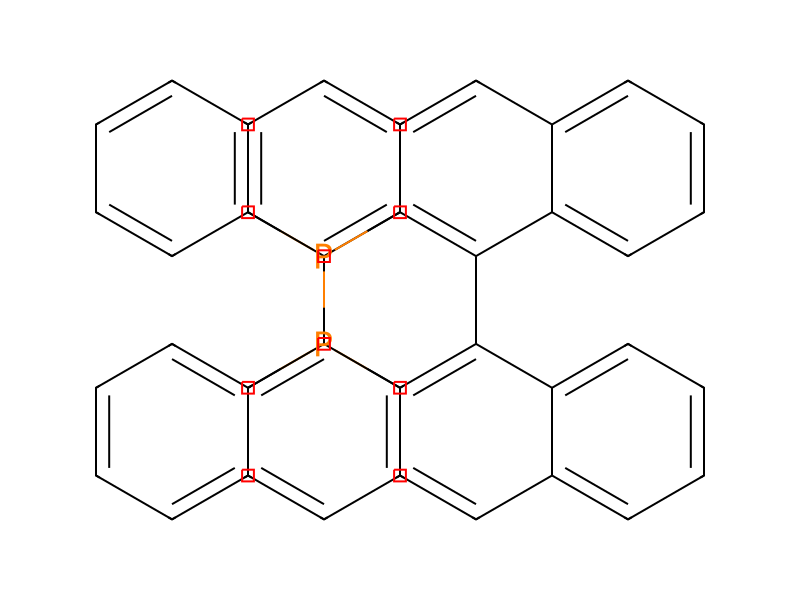
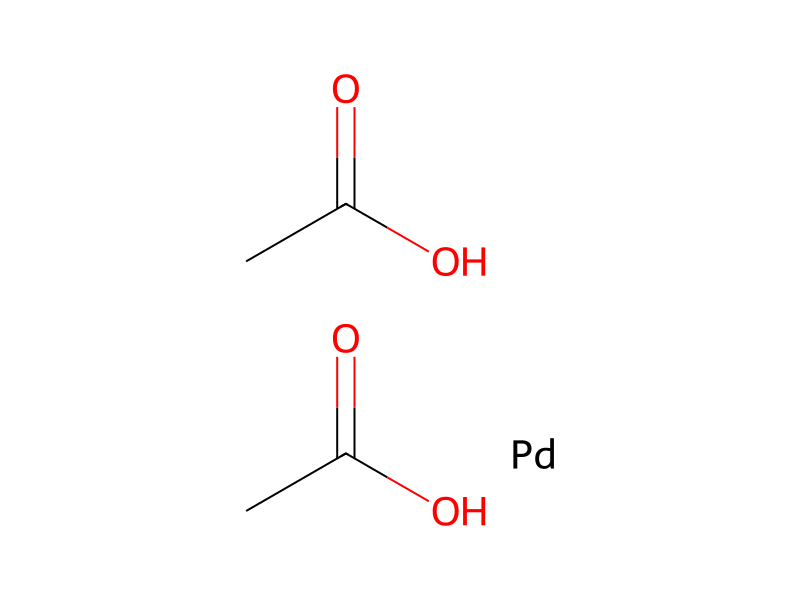
CN1CCNCC1.COc1cc(Br)cc([N+](=O)[O-])c1>CC(=O)O.CC(=O)O.Cc1ccccc1.O=C([O-])[O-].[Cs+].[Cs+].[Pd].c1ccc(P(c2ccccc2)c2ccc3ccccc3c2-c2c(P(c3ccccc3)c3ccccc3)ccc3ccccc23)cc1>COc1cc(N2CCN(C)CC2)cc([N+](=O)[O-])c1Participants
7
Reactant 2


Product 1

Reagents, catalysts & solvents 4


Conditions
- Temperature
- 150 °C
Procedure
1-bromo-3-methoxy-5-nitrobenzene (116 mg, 0.5 mmol), 1-methylpiperazine (167 µl, 1.50 mmol), Palladium(II) acetate (11.23 mg, 0.05 mmol), BINAP (31.1 mg, 0.05 mmol), Cs2CO3 (326 mg, 1.00 mmol) and PhCH3 (10 mL) were added to a 100ml rb flask and heated at 150 °C for 1h. LCMS showed rxn done with desired product formed. Rxn was filtered and concentrated. The residue was purified by Gilson (CH3CN/Water 0-50% + 0.1%TFA) to get the desired product 1-(3-methoxy-5-nitrophenyl)-4-methylpiperazine (130 mg, 71.2 %).
Sources & evidence
- ORD record
- ord-088bd21d086a43258b728521904f368d
- Source dataset
- 750 AstraZeneca ELN dataset
- Original link
- View source
Reaction notes
Loading…