Indole → 1H-Indole, 3-(3-pyridinylmethyl)-
Reaction equation

[NH:1]1[C:9]2[C:4](=[CH:5][CH:6]=[CH:7][CH:8]=2)[CH:3]=[CH:2]1.C[Mg]Br.Cl.Cl[CH2:15][C:16]1[CH:17]=[N:18][CH:19]=[CH:20][CH:21]=1.[Cl-].[NH4+]>C(OCC)C.C1C=CC=CC=1>[N:18]1[CH:19]=[CH:20][CH:21]=[C:16]([CH2:15][C:3]2[C:4]3[C:9](=[CH:8][CH:7]=[CH:6][CH:5]=3)[NH:1][CH:2]=2)[CH:17]=1Participants
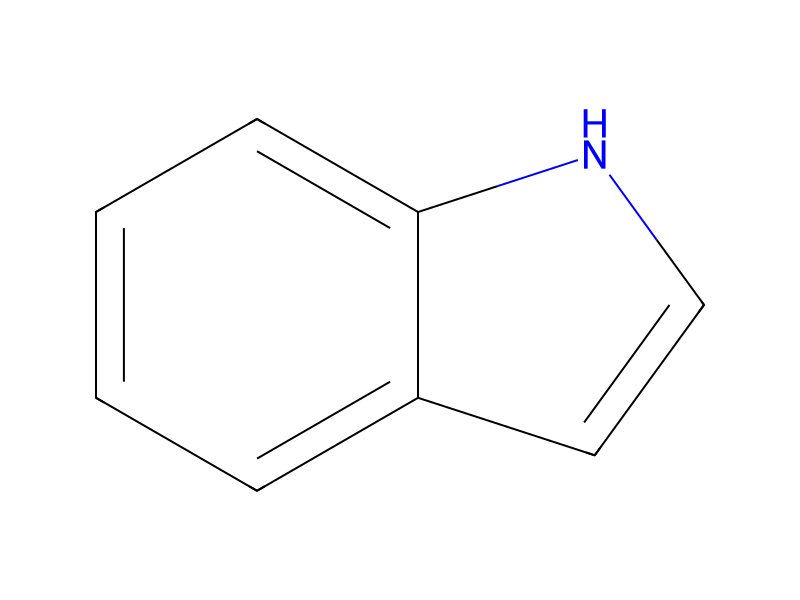
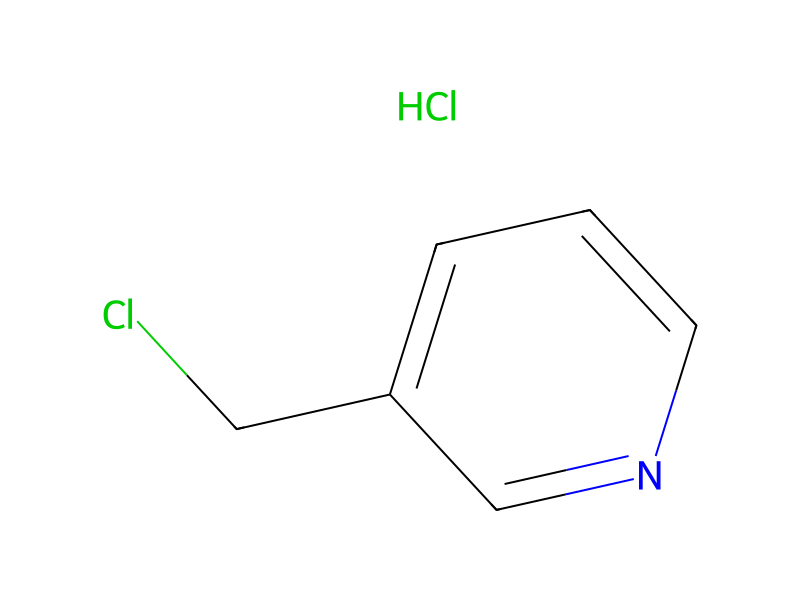




Procedure
Under argon, indole (10 g) was dissolved in diethyl ether (100 ml), a 3M methylmagnesium bromide in diethyl ether solution (50 ml) was added at 0° C., and the mixture was stirred at room temperature for 2 hours. 3-Chloromethylpyridine hydrochloride (7 g) and benzene (90 ml) were added at 0° C. and the mixture was refluxed at 110° C. for 8 hours to evaporate the diethyl ether. After the reaction, a saturated ammonium chloride aqueous solution was added, and the mixture was extracted with ethyl acetate, the organic phase was washed with a saturated aqueous sodium hydrogencarbonate solution and brine, then dried over magnesium sulfate. The solvent was evaporated in vacuo and the residue was purified by silica gel column chromatography to obtain 3-(3-pyridylmethyl)indole (8.80 g).
Workup
- temperaturethe mixture was refluxed at 110° C. for 8 hours
- customto evaporate the diethyl ether
- customAfter the reaction
- extractionthe mixture was extracted with ethyl acetate
- washthe organic phase was washed with a saturated aqueous sodium hydrogencarbonate solution and brine
- dry with materialdried over magnesium sulfate
- customThe solvent was evaporated in vacuo
- customthe residue was purified by silica gel column chromatography
Sources & evidence
- ORD record
- ord-328406cc634c4f578fdf10723cab827b
- Source dataset
- uspto-grants-2001_02
- Patent number
- US06184238B2
Reaction notes
Loading…