Isopropanol → HCID 67639350, compound
Reaction equation

[C:1]([O:4][CH2:5][C:6]([CH3:10])([CH2:8][OH:9])[CH3:7])(=[O:3])[OH:2].ClCCl.C(O)(C)C.[C:18]1(=[O:25])[O:24][CH2:23][CH2:22][CH2:21][CH2:20][CH2:19]1>CO>[C:1]([O:4][CH2:5][C:6]([CH3:10])([CH2:8][OH:9])[CH3:7])(=[O:2])[OH:3].[C:18]1(=[O:25])[O:24][CH2:23][CH2:22][CH2:21][CH2:20][CH2:19]1Participants
Reactant 4


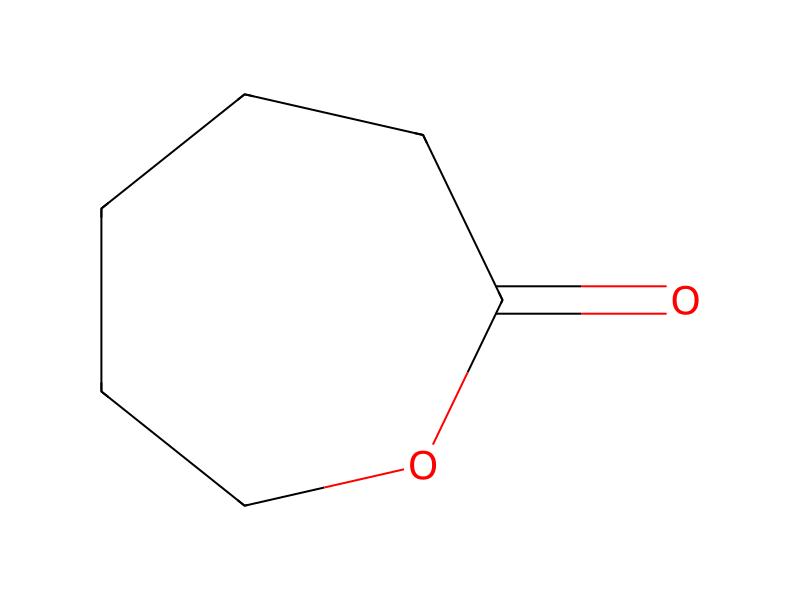

Product 1

Reagents, catalysts & solvents 1

Procedure
6.59 g, (550 mmol) of neopentyl glycol carbonate were measured and introduced into the same apparatus as in Example I-1 under nitrogen atmosphere. 3 ml of dry dichloromethane were introduced through a syringe apparatus, under nitrogen flow. 0.077 ml, (1 mmol) of isopropyl alcohol was then added and then 1 ml of the 0.3mmol/ml dichloromethane solution of 2,6-ditert-butyl-4-methylphenol-bis-substituted titanium-type Lewis acid (A) was then added and the mixture was reacted at 60° C. for 4.0 hours under stirring. It was verified that the monomer had been consumed, and an extremely small amount of sample was taken out. Then, 5.7 g, (50 mmol) of ε-caprolactone was then added and the polymerisation was continued under stirring for 1.5 hour at room temperature. The reacting compound was poured into 300mi of methanol and the white precipitate was dried under reduced pressure. 11.0 g of block copolymer were thus obtained.
Workup
- customthe mixture was reacted at 60° C. for 4.0 hours
- customhad been consumed
- stirringunder stirring for 1.5 hour at room temperature
- customthe white precipitate was dried under reduced pressure
- custom11.0 g of block copolymer were thus obtained
Sources & evidence
- ORD record
- ord-6b22ff409afc436ea79cfbfc7245b262
- Source dataset
- uspto-grants-2001_02
- Patent number
- US06191250B1
Reaction notes
Loading…