Chlorosuccinimide → HCID 22012115, compound
Reaction equation

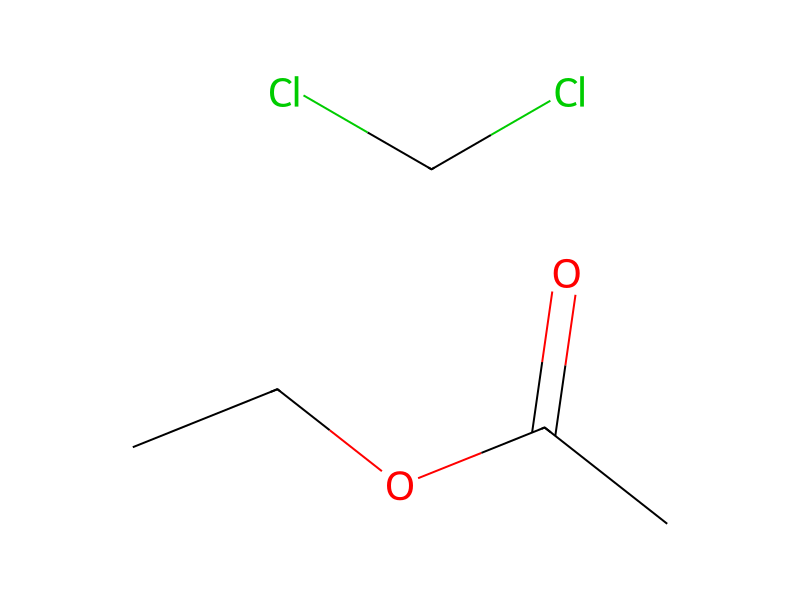
[N:1]1[CH:6]=[CH:5][CH:4]=[C:3]([C:7]2[N:15]3[C:10]([CH2:11]C[CH2:13][CH2:14]3)=[C:9]([C:16]([O:18][CH3:19])=[O:17])[CH:8]=2)[CH:2]=1.[Cl:20]N1C(=O)CCC1=O.Cl[CH2:29][Cl:30].C(OCC)(=O)C>>[Cl:20][C:8]1[C:9]([C:16]([O:18][CH3:19])=[O:17])=[C:10]2[N:15]([C:7]=1[C:3]1[CH:2]=[N:1][CH:6]=[CH:5][CH:4]=1)[CH2:14][CH2:13][C:29]([Cl:30])=[CH:11]2Participants
4



Procedure
Methyl 2,7-dichloro-3-(3-pyridyl)-5,6-dihydroindolizinecarboxylate is prepared as in Example 39, from 1 g of methyl 3-(3-pyridyl)-5,6,7,8-tetrahydroindolizine-1-carboxylate and 1.56 g of N-chlorosuccinimide. 0.7 g of methyl 2,7-dichloro-3-(3-pyridyl)-5,6-dihydroindolizine-1-carboxylate are thus obtained in the form of an orange oil (Rf=0.33; thin layer chromatography on silica gel; eluent: 8/2 dichloromethane/ethyl acetate).
Sources & evidence
- ORD record
- ord-e3eafe14c1ed4932ae432d09738a4843
- Source dataset
- uspto-grants-2001_02
- Patent number
- US06194426B1
Reaction notes
Loading…