Triethylamine → Ammonia
Reaction equation

[C:1]([N:11]1[CH2:15][CH2:14][C:13]([C:19]2[CH:24]=[CH:23][CH:22]=[CH:21][CH:20]=2)([CH2:16][CH2:17][OH:18])[CH2:12]1)([O:3][CH2:4][C:5]1[CH:10]=[CH:9][CH:8]=[CH:7][CH:6]=1)=[O:2].C(N(CC)CC)C.[CH3:32][S:33](Cl)(=[O:35])=[O:34].CO.ClCCl>ClCCl>[NH3:11].[C:1]([N:11]1[CH2:15][CH2:14][C:13]([C:19]2[CH:24]=[CH:23][CH:22]=[CH:21][CH:20]=2)([CH2:16][CH2:17][O:18][S:33]([CH3:32])(=[O:35])=[O:34])[CH2:12]1)([O:3][CH2:4][C:5]1[CH:6]=[CH:7][CH:8]=[CH:9][CH:10]=1)=[O:2]Participants
7
Reactant 4



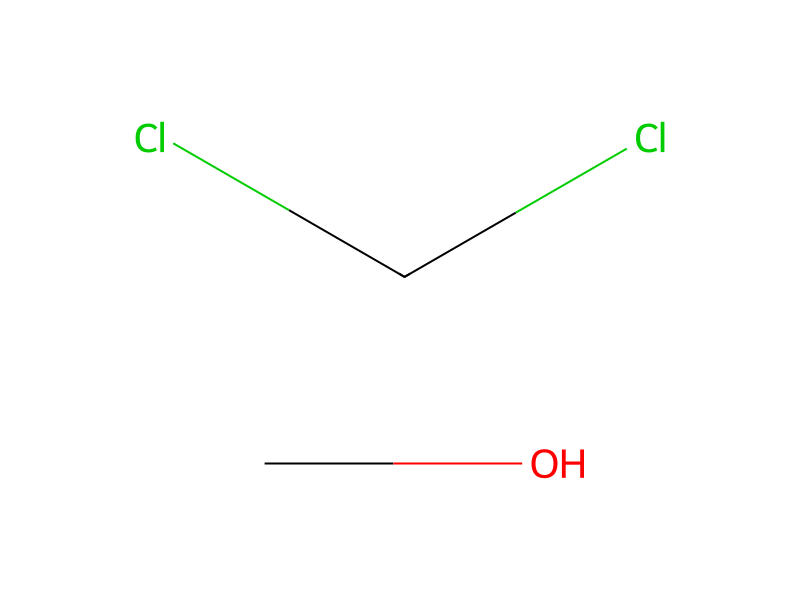
Product 2


Reagents, catalysts & solvents 1

Procedure
Combine 1-carbobenzyloxy-3-phenyl-3-(2-hydroxyethyl)pyrrolidine (9.6 g, 29.6 mmol) and triethylamine (8.2 mL, 59.2 mmol) in dichloromethane (150 mL). Cool in an ice-bath. Add methanesulfonyl chloride (2.5 mL, 32.6 mmol). After 16 hours, dilute the reaction mixture with dichloromethane and extract with brine. Dry the organic layer over MgSO4, filter, and evaporate in vacuo to give residue. Chromatograph the residue on silica gel eluting with methanol/dichloromethane 1/10 containing 1% concentrated aqueous ammonia to give 1-carbobenzyloxy-3-phenyl-3-(2-methanesulfonyloxyethyl)pyrrolidine.
Workup
- temperatureCool in an ice-bath
- extractionextract with brine
- dry with materialDry the organic layer over MgSO4
- filtrationfilter
- customevaporate in vacuo
- customto give residue
Sources & evidence
- ORD record
- ord-2e93535b7d984809b0e3f3e213b331f2
- Source dataset
- uspto-grants-2001_02
- Patent number
- US06194406B1
Reaction notes
Loading…