Ammonia → 5-Thiazolecarboxamide, 4-methyl-2-(3,4-dimethoxyphenyl)-
Reaction equation

N.[CH3:2][O:3][C:4]1[CH:5]=[C:6]([C:12]2[S:13][C:14]([C:18]([O:20]CC)=O)=[C:15]([CH3:17])[N:16]=2)[CH:7]=[CH:8][C:9]=1[O:10][CH3:11].COC1C=C(C=CC=1OC)C([NH2:30])=O.ClC(C(C)=O)C(OCC)=O>C(O)CCC.C(O)C>[CH3:2][O:3][C:4]1[CH:5]=[C:6]([C:12]2[S:13][C:14]([C:18]([NH2:30])=[O:20])=[C:15]([CH3:17])[N:16]=2)[CH:7]=[CH:8][C:9]=1[O:10][CH3:11]Participants
7
Reactant 4

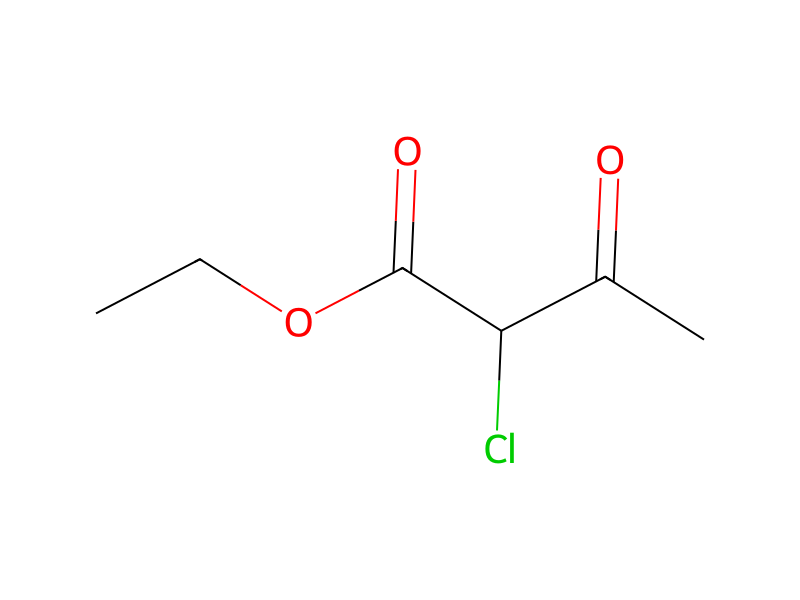


Product 1

Reagents, catalysts & solvents 2


Procedure
Into a mixed solution of 50 ml of aqueous 28% ammonia and 450 ml of ethanol, 15.4 g of ethyl 2-(3,4-dimethoxyphenyl)-4-methylthiazole-5carboxylate which had been prepared by heating a mixture of 3,4-dimethoxybenzamide, ethyl α-chloroacetoacetate and n-butyl alcohol under a reflux for 5 hours was dissolved, and the solution was left at room temperature for 7 days. After condensing the solution to solid under a reduced pressure, the thus obtained residue was recrystallized from an aqueous ethanolic solution to obtain the object as colourless minute aciculate melting at 218° to 219.5° C. in an amount of 9.0 g corresponding to the yield of 65%.
Workup
- temperatureby heating
- temperaturea reflux for 5 hours
- dissolutionwas dissolved
- customAfter condensing the solution to solid under a reduced pressure
- customthe thus obtained residue was recrystallized from an aqueous ethanolic solution
- customto obtain the object as colourless minute aciculate melting at 218° to 219.5° C. in an amount of 9.0 g corresponding to the yield of 65%
Sources & evidence
- ORD record
- ord-f057b2ef28634495b6d589a5e350fac8
- Source dataset
- uspto-grants-1985_12
- Patent number
- US04558059
Reaction notes
Loading…