Hydrochloric Acid → 7-Benzylamino-5-methyl-1H-pyrazolo[4,3-b]pyridine
Reaction equation

Cl[C:2]1[CH:7]=[C:6]([CH3:8])[N:5]=[C:4]2[CH:9]=[N:10][NH:11][C:3]=12.Cl.C(=O)([O-])[O-].[Na+].[Na+].[CH2:19]([NH2:26])[C:20]1[CH:25]=[CH:24][CH:23]=[CH:22][CH:21]=1>>[CH2:19]([NH:26][C:2]1[CH:7]=[C:6]([CH3:8])[N:5]=[C:4]2[CH:9]=[N:10][NH:11][C:3]=12)[C:20]1[CH:25]=[CH:24][CH:23]=[CH:22][CH:21]=1Participants
5




Procedure
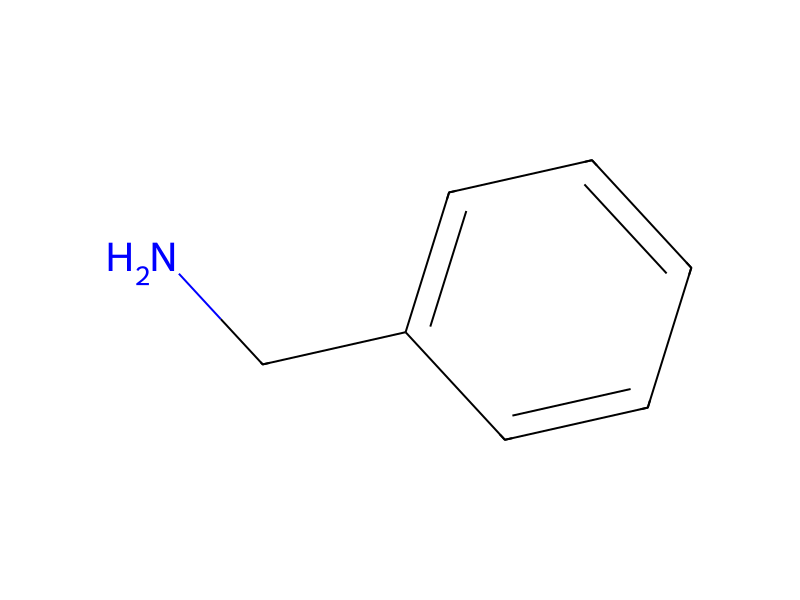
7-Chloro-5-methyl-1H-pyrazolo[4,3-b]pyridine (1 g) and benzylamine (30 ml) were heated under reflux for 6 h. The benzylamine was removed in vacuo to yield an oily solid which was digested with 20% hydrochloric acid. The digest was basified with 10% sodium carbonate solution to yield two phases. The solid in the aqueous phase was filtered off to yield the product (0.71 g). The remaining oily phase was extracted with boiling chloroform (3×20 ml) and the extract dried (MgSO4) and evaporated to yield a second crop of product (0.54 g). The combined solids (1.25 g, 91%) were recrystallised from ethanol/petroleum ether to yield the 7-benzylamino-compound as white crystals m.p. 205°-206°.
Workup
- temperatureunder reflux for 6 h
- customThe benzylamine was removed in vacuo
- customto yield an oily solid which
- customto yield two phases
- filtrationThe solid in the aqueous phase was filtered off
Sources & evidence
- ORD record
- ord-c3f542636fcb434aa952b6bc152e2cf4
- Source dataset
- uspto-grants-1985_12
- Patent number
- US04559348
Reaction notes
Loading…