Pyrrolidine → 4'-Pyrrolidin-1-yl-[2,2';6',2'']terpyridine
Reaction equation

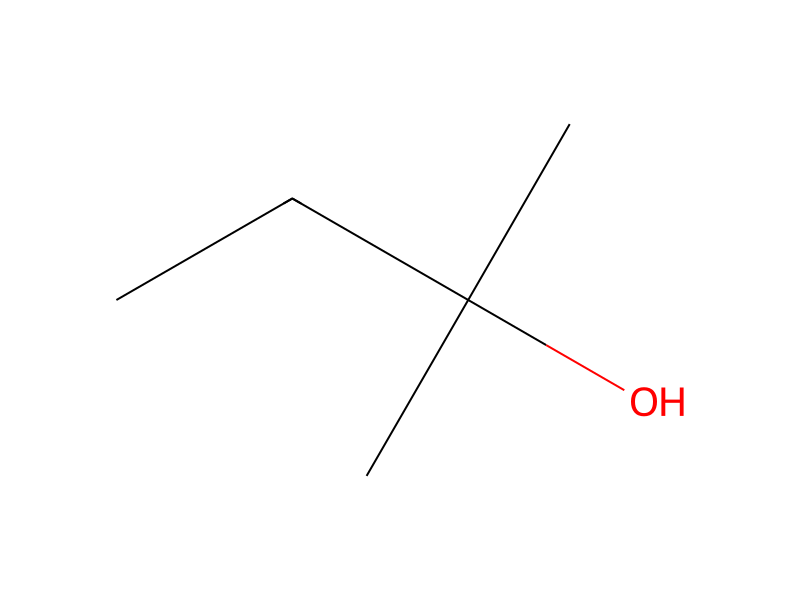
[NH:1]1[CH2:5][CH2:4][CH2:3][CH2:2]1.Cl[C:7]1[CH:12]=[C:11]([C:13]2[CH:18]=[CH:17][CH:16]=[CH:15][N:14]=2)[N:10]=[C:9]([C:19]2[CH:24]=[CH:23][CH:22]=[CH:21][N:20]=2)[CH:8]=1>CC(O)(CC)C.[Cl-].[Zn+2].[Cl-]>[N:1]1([C:7]2[CH:12]=[C:11]([C:13]3[CH:18]=[CH:17][CH:16]=[CH:15][N:14]=3)[N:10]=[C:9]([C:19]3[CH:24]=[CH:23][CH:22]=[CH:21][N:20]=3)[CH:8]=2)[CH2:5][CH2:4][CH2:3][CH2:2]1Participants
5
Reactant 2


Product 1

Reagents, catalysts & solvents 2

Procedure
28 mg (<5 mol %) of zinc(II) chloride and 4.4 g (61.5 mmol) of pyrrolidine are added in succession to a mixture of 1.1 g (4.1 mmol) of 4′-chloro-[2,2′;6′,2″]terpyridine in 15 ml of 2-methyl-2-butanol. The mixture is heated at reflux for 20 hours, cooled and filtered. After recrystallisation from toluene, pure 4′-pyrrolidin-1-yl-[2,2′;6′,2″]terpyridine is obtained in the form of a white solid. MS (EI, 70 eV): m/z=303 (15); 302 (90, [M+]); 273 (100); 233 (25). 1H-NMR (360 MHz, CDCl3): 1.9-2.0 (m, 4H); 3.39-3.49 (m, 4H); 7.18 (dd, 2H, J=6.7, 5.2 Hz); 7.51 (s, 2H); 7.66-7.76 (tm, 2H); 8.51 (d, 2H, J=7.7 Hz); 8.54-8.60 (m, 2H).
Workup
- temperatureThe mixture is heated
- temperatureat reflux for 20 hours
- temperaturecooled
- filtrationfiltered
- customAfter recrystallisation from toluene
Sources & evidence
- ORD record
- ord-16c70952a6734b8689b73a2c0251a038
- Source dataset
- uspto-grants-2010_04
- Patent number
- US07692004B2
Reaction notes
Loading…