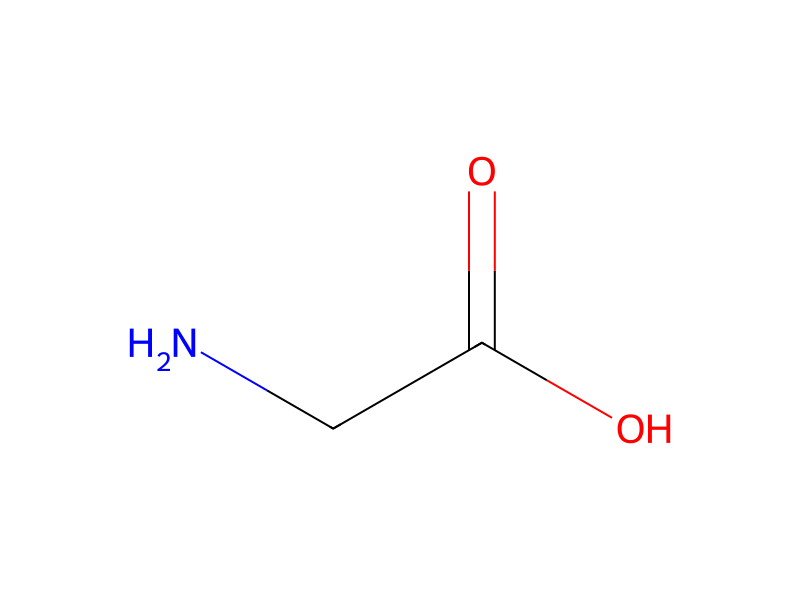
Glycine → HCID 68427327, compound
Reaction equation

C(O[C:4]([C:6]1[N:11]=[CH:10][C:9]2[N:12]=[C:13]([C:15]3[CH:20]=[CH:19][C:18]([C:21]([CH3:24])([CH3:23])[CH3:22])=[CH:17][CH:16]=3)[S:14][C:8]=2[C:7]=1[OH:25])=[O:5])C.[NH2:26][CH2:27][C:28]([OH:30])=[O:29]>C[O-].[Na+].CO>[C:21]([C:18]1[CH:19]=[CH:20][C:15]([C:13]2[S:14][C:8]3[C:7]([OH:25])=[C:6]([C:4]([NH:26][CH2:27][C:28]([OH:30])=[O:29])=[O:5])[N:11]=[CH:10][C:9]=3[N:12]=2)=[CH:16][CH:17]=1)([CH3:24])([CH3:22])[CH3:23]Participants
5
Reactant 2

Product 1

Reagents, catalysts & solvents 2


Procedure
2-(4-tert-Butyl-phenyl)-7-hydroxy-thiazolo[4,5-c]pyridine-6-carboxylic acid ethyl ester (100 mg, 0.28 mmol) and glycine (442 mg, 5.89 mmol) were suspended in 11.2 mL of 0.5 N sodium methoxide in methanol. The reaction was heated at reflux temperature overnight, cooled, and concentrated. The residue was dissolved in water (30 mL), and the solution was acidified to pH 1˜2 with 2 N HCl, extracted with ethyl acetate. The combined organic layers were dried, filtered and concentrated to produce 63 mg of a yellow solid. MS: (+) m/z 386.0 (M+1).
Workup
- temperatureThe reaction was heated
- temperatureat reflux temperature overnight
- temperaturecooled
- concentrationconcentrated
- dissolutionThe residue was dissolved in water (30 mL)
- extractionextracted with ethyl acetate
- customThe combined organic layers were dried
- filtrationfiltered
- concentrationconcentrated
Sources & evidence
- ORD record
- ord-e9cc3f1b638a4570803b9fc2a4e7142d
- Source dataset
- uspto-grants-2010_04
- Patent number
- US07696223B2
Reaction notes
Loading…