Hydrochloric Acid → HCID 68428207, compound
Reaction equation

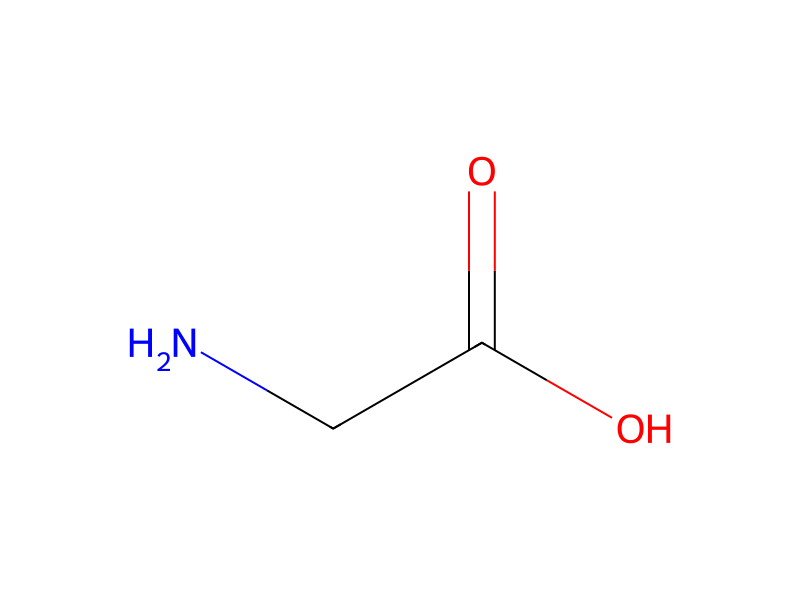
C(O[C:4]([C:6]1[N:11]=[C:10]([C:12]#[N:13])[C:9]2[N:14]=[C:15]([C:17]([CH3:20])([CH3:19])[CH3:18])[S:16][C:8]=2[C:7]=1[OH:21])=[O:5])C.[NH2:22][CH2:23][C:24]([OH:26])=[O:25].Cl>C[O-].[Na+].CO.O>[C:17]([C:15]1[S:16][C:8]2[C:7]([OH:21])=[C:6]([C:4]([NH:22][CH2:23][C:24]([OH:26])=[O:25])=[O:5])[N:11]=[C:10]([C:12]#[N:13])[C:9]=2[N:14]=1)([CH3:18])([CH3:19])[CH3:20]Participants
7
Reactant 3


Product 1

Reagents, catalysts & solvents 3



Procedure
A suspension of 2-tert-butyl-4-cyano-7-hydroxy-thiazolo[4,5-c]pyridine-6-carboxylic acid ethyl ester (85 mg, 0.28 mmol) and glycine (188 mg, 2.5 mmol) in 4.4 mL of 0.5 N NaOMe in methanol was heated at reflux temperature for 25 h. The reaction mixture was diluted with water, acidified with 1 N HCl, and extracted with ethyl acetate. The organic fraction was concentrated to a residue and purified by reverse phase chromatography on a C-18 column, eluting the desired product with a gradient of 10-90% acetonitrile in water+0.1% formic acid. The lyophilized material fractions provided 50 mg of white solid. MS (ESI−): m/z 333.0 (M−1).
Workup
- temperaturewas heated
- temperatureat reflux temperature for 25 h
- extractionextracted with ethyl acetate
- concentrationThe organic fraction was concentrated to a residue
- custompurified by reverse phase chromatography on a C-18 column
- washeluting the desired product with a gradient of 10-90% acetonitrile in water+0.1% formic acid
Sources & evidence
- ORD record
- ord-a9fed6bbc59a40d293d5950cd048a460
- Source dataset
- uspto-grants-2010_04
- Patent number
- US07696223B2
Reaction notes
Loading…