Hydrochloric Acid → 2-Hydroxy-3-(4-methylphenyl)propanoic acid
Reaction equation

C[O:2][C:3](=[O:14])[CH:4](Cl)[CH2:5][C:6]1[CH:11]=[CH:10][C:9]([CH3:12])=[CH:8][CH:7]=1.C(=O)([O-])[O-:16].[Ca+2].[OH-].[Na+].Cl>O.O1CCOCC1>[OH:16][CH:4]([CH2:5][C:6]1[CH:11]=[CH:10][C:9]([CH3:12])=[CH:8][CH:7]=1)[C:3]([OH:2])=[O:14]Participants
7






Procedure
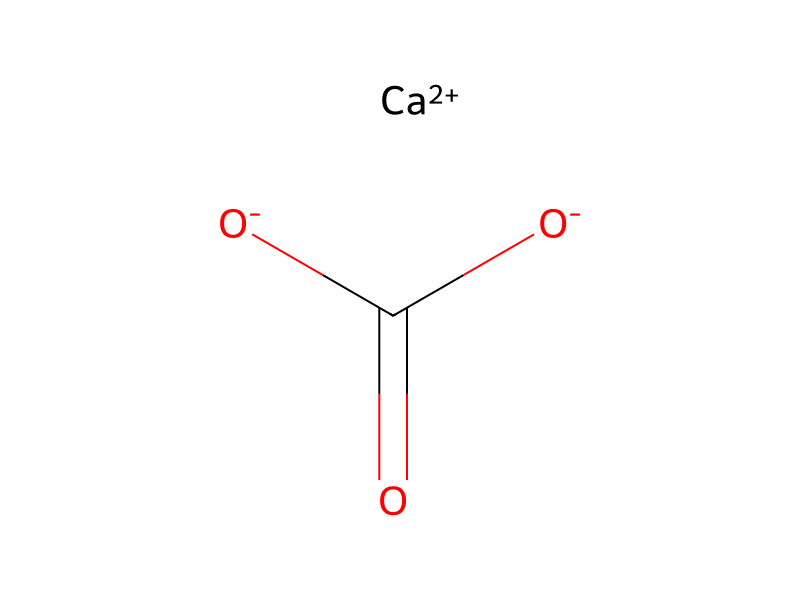
A mechanically stirred suspension of 2-chloro-3-p-tolyl-propionic acid methyl ester (23 g, 0.1 mol), calcium carbonate (11 g, 0.1 mol), sodium hydroxide (5.5 g, 0.11 mol), 200 ml of dioxane and 300 ml of water is heated at reflux for 16 hours. After cooling to room temperature, 1.3 l of 2 N hydrochloric acid are added and the mixture is extracted with ethyl acetate. The combined organic layer is washed with brine, dried over magnesium sulfate and evaporated to yield 2-hydroxy-3-p-tolyl-propionic acid, which is sufficiently pure to be used in the next step.
Workup
- temperatureis heated
- temperatureat reflux for 16 hours
- extractionthe mixture is extracted with ethyl acetate
- washThe combined organic layer is washed with brine
- dry with materialdried over magnesium sulfate
- customevaporated
Sources & evidence
- ORD record
- ord-b7a19091f7314ad5ac4ab33d5f1458fe
- Source dataset
- uspto-grants-2010_04
- Patent number
- US07700522B2
Reaction notes
Loading…