1,1-Dichloroethane → 1-Bromo-4-cyclopropoxybenzene
Reaction equation

[Br:1][C:2]1[CH:7]=[CH:6][C:5]([O:8][CH:9]=[CH2:10])=[CH:4][CH:3]=1.Cl[CH2:12]I.ClC(Cl)C.C([Zn]CC)C>[NH4+].[Cl-]>[Br:1][C:2]1[CH:7]=[CH:6][C:5]([O:8][CH:9]2[CH2:12][CH2:10]2)=[CH:4][CH:3]=1Participants
6




Procedure
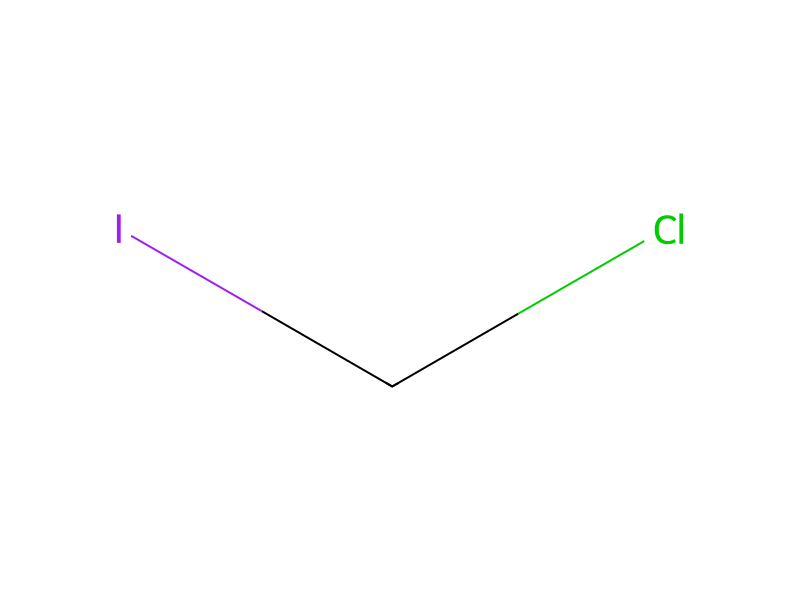
To mixture of 1-bromo-4-vinyloxybenzene (11.5 g, 58 mmol), chloroiodomethane (41 g, 232 mmol) and dichloroethane (180 mL) was added diethylzinc (15% solution in hexanes-95.5 mL, 116 mmol) over 3 h at 0° C. After 30 min stirring, NH4Cl solution (200 mL, aq. sat.) and light petrol (300 mL) was added. The organic phase was separated and concentrated in vacuo (8 bar, 50° C.). The residue was redissolved in light petrol and the insoluble material was filtered off. The filtrate was concentrated to afford sub-title compound (11.7 g, 94%).
Workup
- customThe organic phase was separated
- concentrationconcentrated in vacuo (8 bar, 50° C.)
- dissolutionThe residue was redissolved in light petrol
- filtrationthe insoluble material was filtered off
- concentrationThe filtrate was concentrated
Sources & evidence
- ORD record
- ord-e22e0e832fa649e7a2adf22246ab6cda
- Source dataset
- uspto-grants-2010_04
- Patent number
- US07705023B2
Reaction notes
Loading…