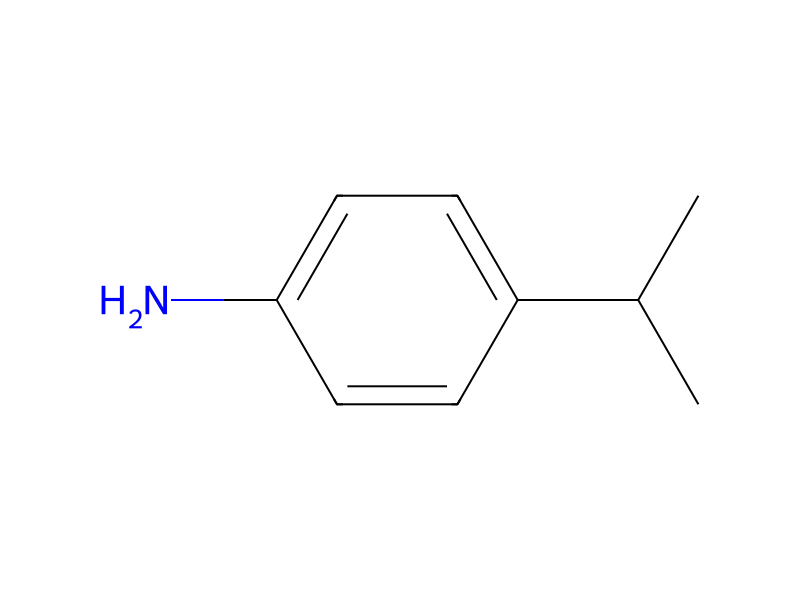
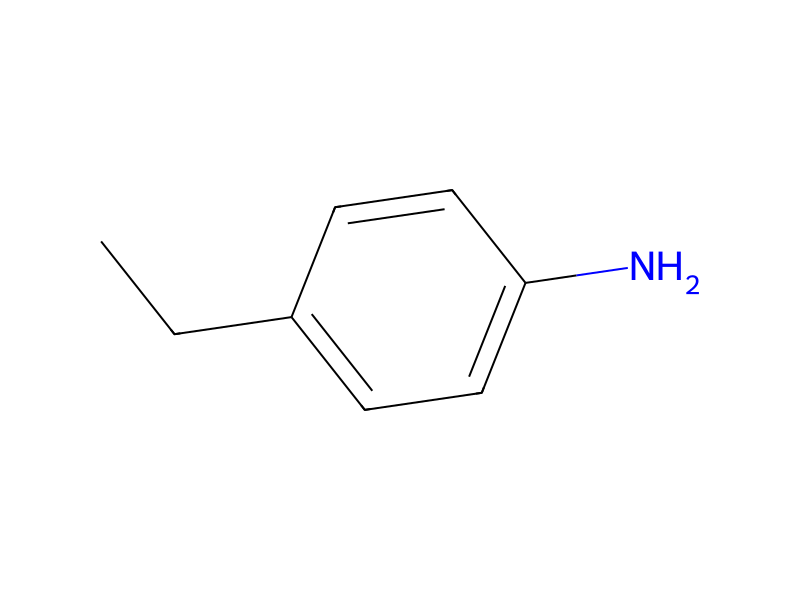
4-Isopropylaniline → N-(4-ethylphenyl)valine
Reaction equation

Br[CH:2]([CH:20]([CH3:22])[CH3:21])[C:3]([O:5]CC1C=CC=C(OC2C=CC=CC=2)C=1)=[O:4].[CH2:23]([C:25]1[CH:31]=[CH:30][C:28]([NH2:29])=[CH:27][CH:26]=1)[CH3:24].[CH:32]([C:35]1[CH:41]=[CH:40][C:38]([NH2:39])=[CH:37][CH:36]=1)([CH3:34])[CH3:33]>>[CH2:23]([C:25]1[CH:31]=[CH:30][C:28]([NH:29][C@H:2]([C:3]([OH:5])=[O:4])[CH:20]([CH3:22])[CH3:21])=[CH:27][CH:26]=1)[CH3:24].[CH:32]([C:35]1[CH:41]=[CH:40][C:38]([NH:39][C@H:2]([C:3]([OH:5])=[O:4])[CH:20]([CH3:22])[CH3:21])=[CH:37][CH:36]=1)([CH3:34])[CH3:33]Participants
5


Procedure
Following the procedure of Example 1, m-phenoxybenzyl α-bromoisovalerate is reacted with each of 4-ethylaniline and 4-isopropylaniline to yield the m-phenoxybenzyl ester of N-(4-ethylphenyl)valine, MS m/e 403.2 (M+), and N-(4-isopropylphenyl)valine, MS m/e 417.2 (M+).
Sources & evidence
- ORD record
- ord-f5327f3c0d0a48cd94094edf35e2927a
- Source dataset
- uspto-grants-1983_10
- Patent number
- US04411912
Reaction notes
Loading…