Methanol → 3-[N,N-diphenylamino)-1-bromopropane
Reaction equation

[Br:1][CH2:2][CH2:3][C:4]([N:6]([C:13]1[CH:18]=[CH:17][CH:16]=[CH:15][CH:14]=1)[C:7]1[CH:12]=[CH:11][CH:10]=[CH:9][CH:8]=1)=O.B.CO>O1CCCC1>[C:7]1([N:6]([CH2:4][CH2:3][CH2:2][Br:1])[C:13]2[CH:18]=[CH:17][CH:16]=[CH:15][CH:14]=2)[CH:8]=[CH:9][CH:10]=[CH:11][CH:12]=1Participants
Reactant 3


Product 1

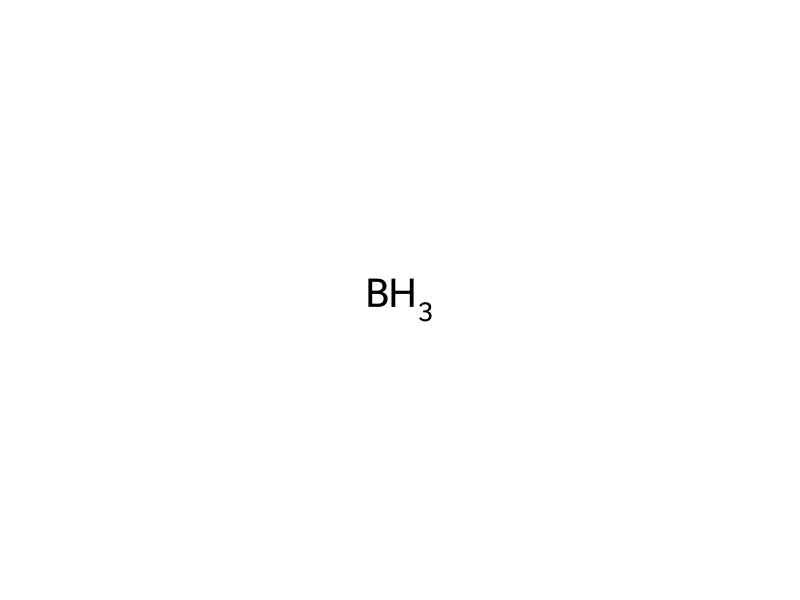
Reagents, catalysts & solvents 1

Conditions
- Temperature
- 21 °C
Procedure
A solution of 304 g. (1.00 moles) of 3-bromo-N,N-diphenyl propionamide in 800 ml. of tetrahydrofuran is stirred and maintained at -3° C. to -1° C. while adding 1.1 g. of a 1 molar solution of borane in tetrahydrofuran over a period of 15 minutes. The reaction is allowed to gradually warm to 21° C. over a period of about 1.75 hours and refluxed for a period of about 10 minutes. The reaction mixture is then treated dropwise with 50 ml. of methanol. After gas evolution ceases, solvent is removed under vacuum. The oily residue is dissolved in cyclohexane, washed with 20% caustic solution and then with water, dried and passed through a column of about 400 g. of silica gel, eluting with cyclohexane, to give 3-[N,N-diphenylamino]-1-bromopropane.
Workup
- temperaturemaintained at -3° C. to -1° C.
- additionwhile adding 1.1 g
- temperaturerefluxed for a period of about 10 minutes
- additionThe reaction mixture is then treated dropwise with 50 ml
- customAfter gas evolution ceases, solvent is removed under vacuum
- dissolutionThe oily residue is dissolved in cyclohexane
- washwashed with 20% caustic solution
- dry with materialwith water, dried
- washof silica gel, eluting with cyclohexane
Sources & evidence
- ORD record
- ord-e5ae875c251a42b3a6e615ab84192a7b
- Source dataset
- uspto-grants-1983_10
- Patent number
- US04411904
Reaction notes
Loading…