Benzyl Bromide → HCID 54410149, compound
Reaction equation

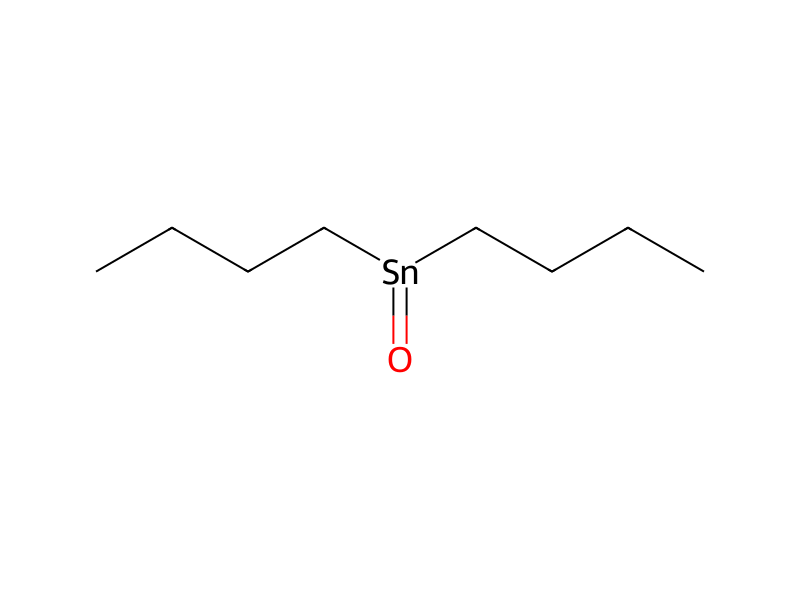
C([Sn](=O)CCCC)CCC.[O:11]([C:23]1[CH:28]=[CH:27][C:26]([N+:29]([O-:31])=[O:30])=[CH:25][CH:24]=1)[C@@H:12]1[O:20][C@H:19]([CH2:21][OH:22])[C@H:17]([OH:18])[C@H:15]([OH:16])[C@H:13]1[OH:14].[CH2:32](Br)[C:33]1[CH:38]=[CH:37][CH:36]=[CH:35][CH:34]=1.C(Cl)Cl.CO.N>O1CCOCC1>[CH2:32]([O:16][C@H:15]1[C@@H:17]([OH:18])[C@@H:19]([CH2:21][OH:22])[O:20][C@@H:12]([O:11][C:23]2[CH:24]=[CH:25][C:26]([N+:29]([O-:31])=[O:30])=[CH:27][CH:28]=2)[C@@H:13]1[OH:14])[C:33]1[CH:38]=[CH:37][CH:36]=[CH:35][CH:34]=1Participants
6
Reactant 4



Product 1

Reagents, catalysts & solvents 1

Procedure
Dibutyltin oxide (1.87 g, 7.5 mmol) is added to a solution of p-nitrophenyl β-D-galactopyranoside (1.5 g, 5.0 mmol) in absolute dioxane (40 ml) and the mixture is heated under reflux. After 3 hours, benzyl bromide (3.6 ml, 30 mmol) are added to the solution obtained and the batch is stirred under reflux for a further 48 hours. The solvent is then distilled off in vacuo and the residue is purified by flash chromatography (ethyl acetate/petroleum ether 2:1→1:1]. Colourless crystals (1.58 g 81%) are obtained; TLC [methylene chloride/methanol/ammonia (25%) 15:3:0.2]: Rf=0.69; melting point=127° C.
Workup
- temperaturethe mixture is heated
- temperatureunder reflux
- customobtained
- temperatureunder reflux for a further 48 hours
- distillationThe solvent is then distilled off in vacuo
- customthe residue is purified by flash chromatography (ethyl acetate/petroleum ether 2:1→1:1]
- customColourless crystals (1.58 g 81%) are obtained
Sources & evidence
- ORD record
- ord-826400f6b42845ec96024794699721ca
- Source dataset
- uspto-grants-2001_08
- Patent number
- US06271342B1
Reaction notes
Loading…