Ethyl chloroacetate → (4-Acetyl-3-hydroxy-2-propylphenoxy)acetic acid
Reaction equation

[OH:1][C:2]1[C:7]([CH2:8][CH2:9][CH3:10])=[C:6]([OH:11])[CH:5]=[CH:4][C:3]=1[C:12](=[O:14])[CH3:13].Cl[CH2:16][C:17]([O:19]CC)=[O:18].C(=O)([O-])[O-].[K+].[K+]>CC(C)=O>[C:12]([C:3]1[CH:4]=[CH:5][C:6]([O:11][CH2:16][C:17]([OH:19])=[O:18])=[C:7]([CH2:8][CH2:9][CH3:10])[C:2]=1[OH:1])(=[O:14])[CH3:13]Participants
5
Reactant 3
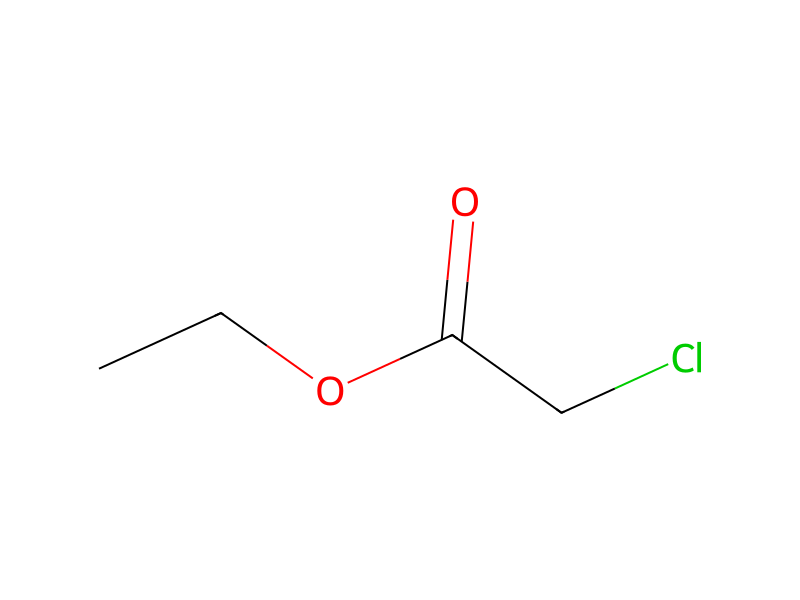


Product 1

Reagents, catalysts & solvents 1

Procedure
A mixture of 24.25 g of 1-(2,4-dihydroxy-3-propylphenyl) ethanone, 16.0 ml of ethyl chloroacetate and 26 g of anhydrous potassium carbonate in 375 ml of anhydrous acetone was stirred at reflux for 17 hours. The reaction mixture was filtered and the filtrate was concentrated in vacuo to an oil which was crystallized from ethanol to give 27.2 g of (4-acetyl-3-hydroxy-2-propylphenoxy)acetic acid, the titled compound, mp 61°-64°, (78% yield) in two crops.
Workup
- temperatureat reflux for 17 hours
- filtrationThe reaction mixture was filtered
- concentrationthe filtrate was concentrated in vacuo to an oil which
- customwas crystallized from ethanol
Sources & evidence
- ORD record
- ord-eb7738d70d664d1fad7aaab46bea972b
- Source dataset
- uspto-grants-1987_06
- Patent number
- US04672066
Reaction notes
Loading…