2,2,2-Trifluoroethanol → Retosiban
Reaction equation

C(O[C:9]([NH:11][C@H:12]([CH:16]1[CH2:24][C:23]2[C:18](=[CH:19][CH:20]=[CH:21][CH:22]=2)[CH2:17]1)[C:13]([OH:15])=O)=[O:10])C1C=CC=CC=1.F[C:26](F)(F)[CH2:27][OH:28].C(N(CC)CC)C.Cl.COC(=O)[C@@H:42]([C@H:44]([CH2:46][CH3:47])[CH3:45])[NH2:43].[CH3:49][C:50]1[O:51][CH:52]=[C:53](C=O)[N:54]=1.C(N1C=CN=C1)(N1C=CN=C1)=O.CC(C)(C)C(Cl)=O.[NH:76]1[CH2:81][CH2:80][O:79][CH2:78][CH2:77]1>O1CCCC1.C(OCC)(=O)C.O.CO>[CH2:24]1[C:23]2[C:18](=[CH:19][CH:20]=[CH:21][CH:22]=2)[CH2:17][CH:16]1[C@H:12]1[NH:11][C:9](=[O:10])[C@@H:42]([C@@H:44]([CH3:45])[CH2:46][CH3:47])[N:43]([C@H:26]([C:53]2[N:54]=[C:50]([CH3:49])[O:51][CH:52]=2)[C:27]([N:76]2[CH2:81][CH2:80][O:79][CH2:78][CH2:77]2)=[O:28])[C:13]1=[O:15]Participants
Reactant 8
 HCID 64092,2,2-Trifluoroethanol
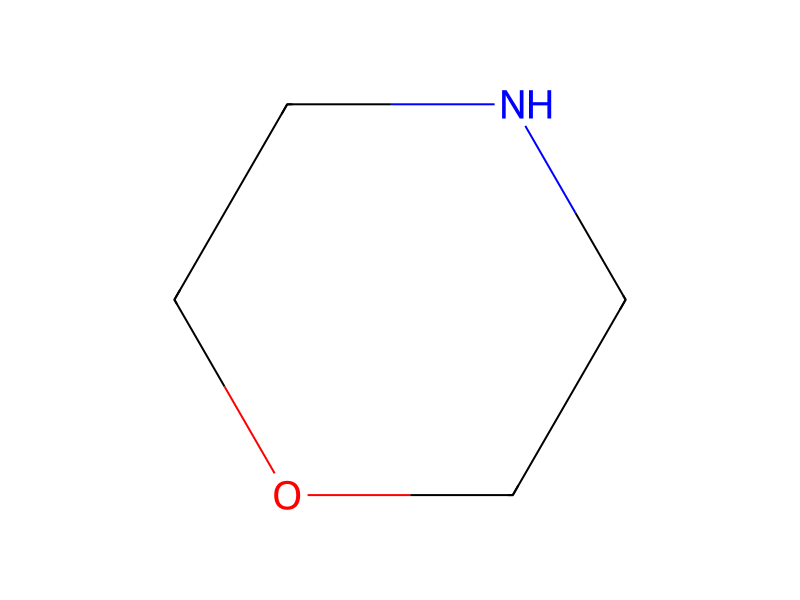 HCID 8083Morpholine
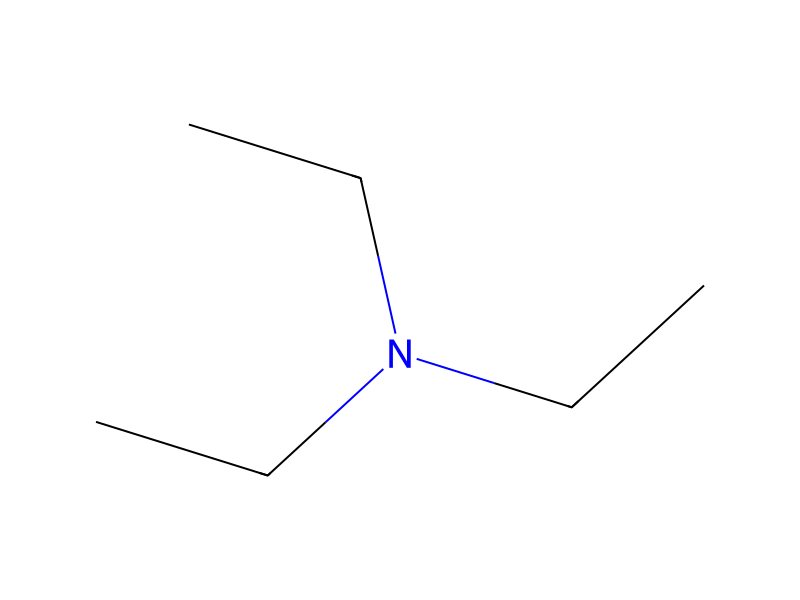 HCID 8471Triethylamine2×
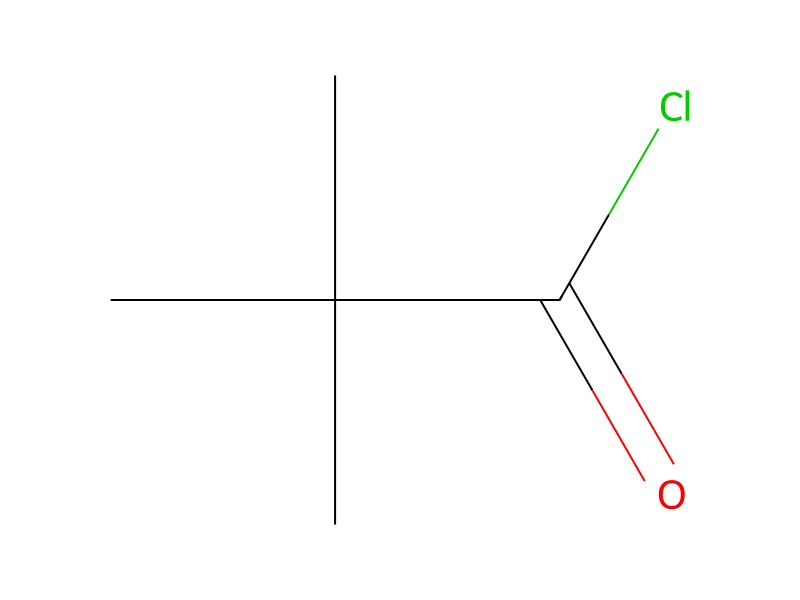 HCID 62493Pivaloyl chloride
 HCID 682631,1'-Carbonyldiimidazole
 HCID 110733722-Methyl-1,3-oxazole-4-carbaldehyde
 HCID 11631222(R)-Benzyloxycarbonylamino-indan-2-yl-acetic acid
 HCID 12890355D-Alloisoleucine, methyl ester, hydrochloride (1:1)
Product 1

Reagents, catalysts & solvents 4
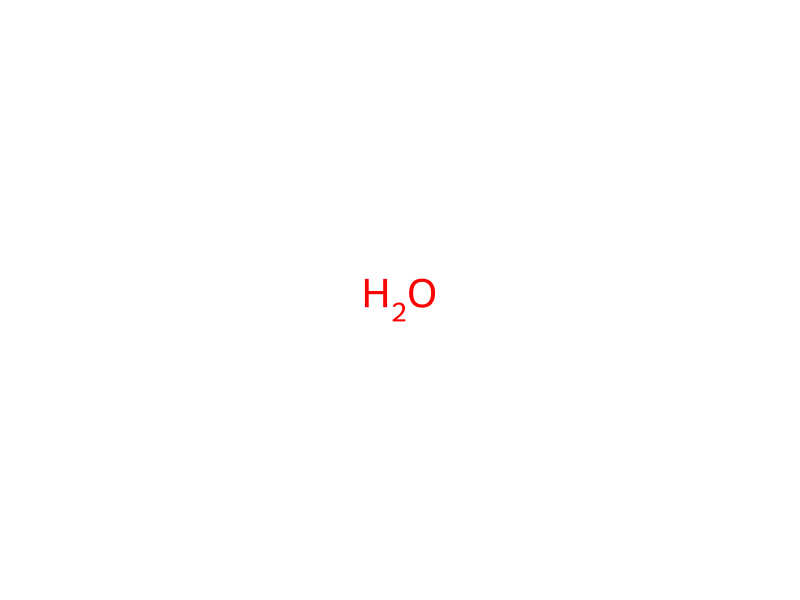
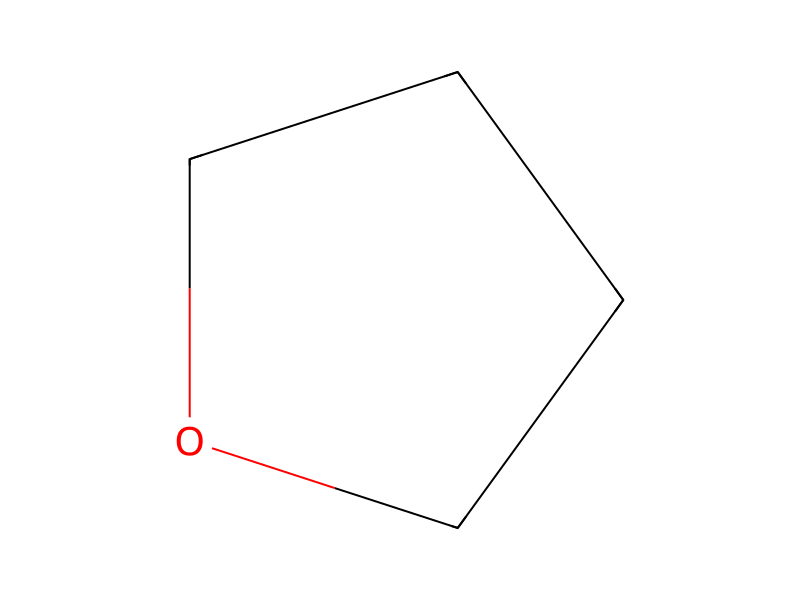
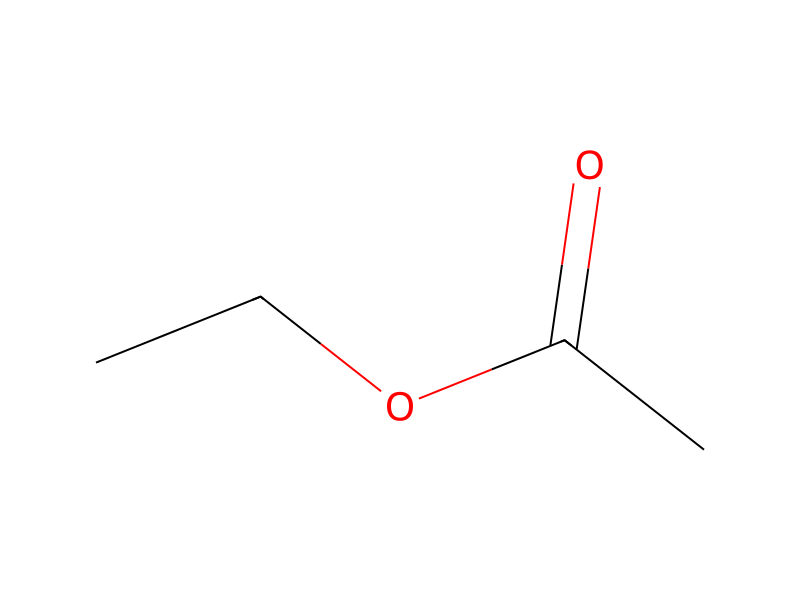
Conditions
- Temperature
- -78 °C
Procedure
(2R)-[(benzyloxycarbonyl)amino](2,3-dihydro-1H-inden-2-yl)ethanoic acid (35.84 g, 0.110 mol) in a 500 mL round bottomed flask was treated with 2,2,2-trifluoroethanol (165 mL) followed by methanol (55 ml) and triethylamine (11.13 g, 15.33 mL, 0.110 mmol) the slurry was stirred for 3.5 hrs until dissolution was observed. The solution was then added to (D)-allo Isoleucine methyl ester hydrochloride (20 g, 0.110 mol) in a separate flask. The slurry was stirred until dissolution was observed. 2-methyl-4-formyloxazole (12.24 g, 0.110 mmol) was then added followed by 2-benzyloxyphenylisocynanide (23.04 g, 0.110 mmol). The dark brown reaction mixture was then stirred at 20-25° C. for 24 hrs. The solution was then concentrated to a volume of ca. 130 mL by distillation at reduced pressure. The solution was the diluted with dichloromethane (200 mL) and washed with water (2×200 mL). The organic phase was then diluted with N-methyl pyrrolidinone (460 mL) was and the dichloromethane removed by stirring at 40° C. under vacuum for 2 hrs. Acetic acid 46 mL) was then added followed by palladium on carbon catalyst (69.0 g of 10% Pd wt, 57% water, Johnson Matthey type 87L) and the mixture hydrogenated under balloon pressure of hydrogen with rapid stirring for 2 hrs. The reaction mixture was then filtered, washed through with ethyl acetate (960 mL) and washed with 3% w/v aq sodium chloride solution (960 mL). The biphasic mixture was filtered and the organic phase separated and washed with 3% w/v aq sodium chloride solution (2×960 mL). The organic solution was then diluted with ethyl acetate (200 mL) and concentrated by distillation at atmospheric pressure by distilling out 385 mL of solvent. The concentrated solution at 20-25° C. was treated with 1,1′-carbonyidiimidazole (21.46 g, 0.132 mol) and stirred at 20-25° C. for 1 hr then treated with water (290 mL) and stirred rapidly at 20-25° C. for 24 hr. The mixture was allowed to settle and the ethyl acetate layer separated and discarded. The aqueous phase was washed with ethyl acetate (290 mL) and the mixture allowed to settle and the aqueous phase was separated and acidified to pH 1-2 by the addition of concentrated hydrochloric acid (18 mL). The aqueous phase was then extracted into ethyl acetate (290 mL and then 145 mL). The combined ethyl acetate solution was then concentrated by distillation at atmospheric pressure to a volume of ca. 93 mL. This solution was then diluted with tetrahydrofuran (62 mL) and treated with triethylamine (11.02 g, 15.20 mL, 0.109 mol) and cooled to −78° C. The solution was then treated with trimethylacetyl chloride (4.81 g, 4.92 mL, 39.90 mmol) and stirred at −78° C. for 7 hr. The reaction mixture was then treated with a solution of morpholine (15.82 g, 15.83 mL, 0.181 mol) in tetrahydrofuran (23 mL) and stirred at −78° C. for 1 hr 20 mins before being allowed to warm to 20-25° C. The solution was then diluted with ethyl acetate (76 mL) and washed with saturated aqueous sodium bicarbonate solution (2×153 mL) followed by water (153 mL). The organic solution was then diluted with ethyl acetate (54 mL) and distilled down to a volume of 69 mL at atmospheric pressure. The solution was then cooled to 20-25° C. at which point crystallisation of the title compound occurred. The slurry of was then cooled further to 0° C. before the title compound was isolated by filtration and sucked dry. Yield 8.92 g.
Workup
- stirringThe slurry was stirred until dissolution
- stirringThe dark brown reaction mixture was then stirred at 20-25° C. for 24 hrs
- concentrationThe solution was then concentrated to a volume of ca. 130 mL by distillation at reduced pressure
- additiondiluted with dichloromethane (200 mL)
- washwashed with water (2×200 mL)
- additionThe organic phase was then diluted with N-methyl pyrrolidinone (460 mL)
- customthe dichloromethane removed
- stirringby stirring at 40° C. under vacuum for 2 hrs
- additionAcetic acid 46 mL) was then added
- stirring57% water, Johnson Matthey type 87L) and the mixture hydrogenated under balloon pressure of hydrogen with rapid stirring for 2 hrs
- filtrationThe reaction mixture was then filtered
- washwashed through with ethyl acetate (960 mL)
- washwashed with 3% w/v aq sodium chloride solution (960 mL)
- filtrationThe biphasic mixture was filtered
- customthe organic phase separated
- washwashed with 3% w/v aq sodium chloride solution (2×960 mL)
- additionThe organic solution was then diluted with ethyl acetate (200 mL)
- concentrationconcentrated by distillation at atmospheric pressure
- distillationby distilling out 385 mL of solvent
- stirringstirred at 20-25° C. for 1 hr
- stirringstirred rapidly at 20-25° C. for 24 hr
- customthe ethyl acetate layer separated
- washThe aqueous phase was washed with ethyl acetate (290 mL)
- customthe aqueous phase was separated
- additionacidified to pH 1-2 by the addition of concentrated hydrochloric acid (18 mL)
- extractionThe aqueous phase was then extracted into ethyl acetate (290 mL
- concentrationThe combined ethyl acetate solution was then concentrated by distillation at atmospheric pressure to a volume of ca. 93 mL
- additionThis solution was then diluted with tetrahydrofuran (62 mL)
- stirringstirred at −78° C. for 7 hr
- stirringstirred at −78° C. for 1 hr 20 mins
- temperatureto warm to 20-25° C
- washwashed with saturated aqueous sodium bicarbonate solution (2×153 mL)
- additionThe organic solution was then diluted with ethyl acetate (54 mL)
- distillationdistilled down to a volume of 69 mL at atmospheric pressure
- temperatureThe solution was then cooled to 20-25° C. at which point crystallisation of the title compound
- temperatureThe slurry of was then cooled further to 0° C. before the title compound
- customwas isolated by filtration
- customsucked dry
Sources & evidence
- ORD record
- ord-1b1d54011d594b41acda80b21dfc390e
- Source dataset
- uspto-grants-2011_12
- Patent number
- US08071594B2
Reaction notes
Loading…