Borohydride → Racemic 1,1-dimethylethyl ({4-[(2,3-dihydro[1,4]dioxino[2,3-c]pyridin-7-ylmethyl)amino]-1-[2-(7-fluoro-2-oxo-1(2H)-quinoxalinyl)ethyl]-3-piperidinyl}methyl)carbamate
Reaction equation

[F:1][C:2]1[CH:11]=[C:10]2[C:5]([N:6]=[CH:7][C:8](=[O:30])[N:9]2[CH2:12][CH2:13][N:14]2[CH2:19][CH2:18][C:17](=O)[CH:16]([CH2:21][NH:22][C:23](=[O:29])[O:24][C:25]([CH3:28])([CH3:27])[CH3:26])[CH2:15]2)=[CH:4][CH:3]=1.[O:31]1[C:40]2[CH:39]=[C:38]([CH2:41][NH2:42])[N:37]=[CH:36][C:35]=2[O:34][CH2:33][CH2:32]1.O1C2C=C(CO)N=CC=2OCC1.C1(P(N=[N+]=[N-])(C2C=CC=CC=2)=O)C=CC=CC=1.N12CCCN=C1CCCCC2.[N-]=[N+]=[N-].C(O[BH-](OC(=O)C)OC(=O)C)(=O)C.[Na+].[BH4-].C(=O)(O)[O-].[Na+]>C1(C)C=CC=CC=1.ClCCl.[Pd].CO.C(O)C.C(O)(=O)C>[O:31]1[C:40]2[CH:39]=[C:38]([CH2:41][NH:42][CH:17]3[CH2:18][CH2:19][N:14]([CH2:13][CH2:12][N:9]4[C:10]5[C:5](=[CH:4][CH:3]=[C:2]([F:1])[CH:11]=5)[N:6]=[CH:7][C:8]4=[O:30])[CH2:15][CH:16]3[CH2:21][NH:22][C:23](=[O:29])[O:24][C:25]([CH3:26])([CH3:27])[CH3:28])[N:37]=[CH:36][C:35]=2[O:34][CH2:33][CH2:32]1Participants
Reactant 9
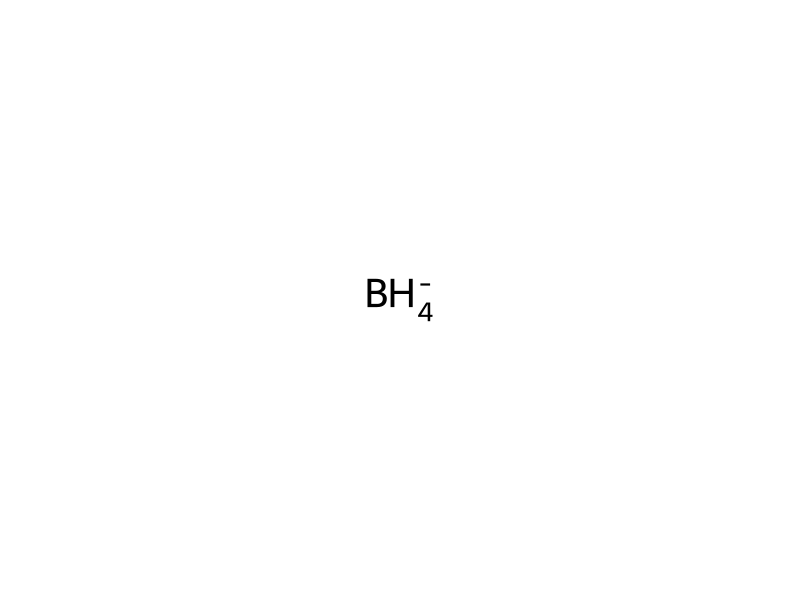 HCID 28123Borohydride2×
 HCID 33558Azide
 HCID 811841,8-Diazabicyclo(5.4.0)undec-7-ene
 HCID 199401P,P-Diphenylphosphinic azide
 HCID 516892Sodium Bicarbonate
 HCID 5049666Sodium triacetoxyborohydride
 HCID 21873770(2,3-Dihydro-[1,4]dioxino[2,3-c]pyridin-7-yl)methanol
 HCID 593981871-(2,3-Dihydro[1,4]dioxino[2,3-c]pyridin-7-yl)methanamine
 HCID 91469554Racemic 1,1-dimethylethyl ({1-[2-(7-fluoro-2-oxo-1(2H)-quinoxalinyl)ethyl]-4-oxo-3-piperidinyl}methyl)carbamate
Product 1

Reagents, catalysts & solvents 5





Procedure
A mixture of racemic 1,1-dimethylethyl ({1-[2-(7-fluoro-2-oxo-1(2H)-quinoxalinyl)ethyl]-4-oxo-3-piperidinyl}methyl)carbamate (1.35 g, 3.23 mmol) and (2,3-dihydro[1,4]dioxino[2,3-c]pyridin-7-ylmethyl)amine (0.54 g, 3.23 mmol, prepared from 2,3-dihydro[1,4]dioxino[2,3-c]pyridin-7-ylmethanol (for a synthesis see WO2004002490, Example 6(b)) by reaction with diphenylphosphoryl azide and 1,8 diazabicyclo[5.4.0]undec-7-ene in toluene, 0° C.-room temperature, followed by hydrogenation of the resulting azide over 5% palladium/carbon paste in 200:1 ethanol/acetic acid) in dichloromethane (30 mL) and methanol (3 mL) was stirred with 3A molecular sieves for 1 h. Sodium triacetoxyborohydride (2.05 g, 9.69 mmol) was added and stirring continued at room temperature. More borohydride was added after 6 h (0.20 g), and after an overnight period more amine (0.20 g) and borohydride (0.80 g) were added. After stirring for a further 6 h, aqueous sodium bicarbonate was added and the phases were separated. The aqueous phase was extracted twice with 10% methanol/dichloromethane and the organic fractions were dried and evaporated. Chromatography on silica, eluting with 0-20% methanol/dichloromethane, gave firstly a major product (Isomer1, 1.12 g, 61%), followed by a minor product (Isomer 2, 0.10 g, 5% of good purity, plus 0.17 g less pure).
Workup
- customcontinued at room temperature
- stirringAfter stirring for a further 6 h
- customthe phases were separated
- extractionThe aqueous phase was extracted twice with 10% methanol/dichloromethane
- customthe organic fractions were dried
- customevaporated
- washChromatography on silica, eluting with 0-20% methanol/dichloromethane
- customgave firstly a major product (Isomer1, 1.12 g, 61%)
Sources & evidence
- ORD record
- ord-456f3cd7bc7147638126dd2ca0d135a2
- Source dataset
- uspto-grants-2011_12
- Patent number
- US08071592B2
Reaction notes
Loading…