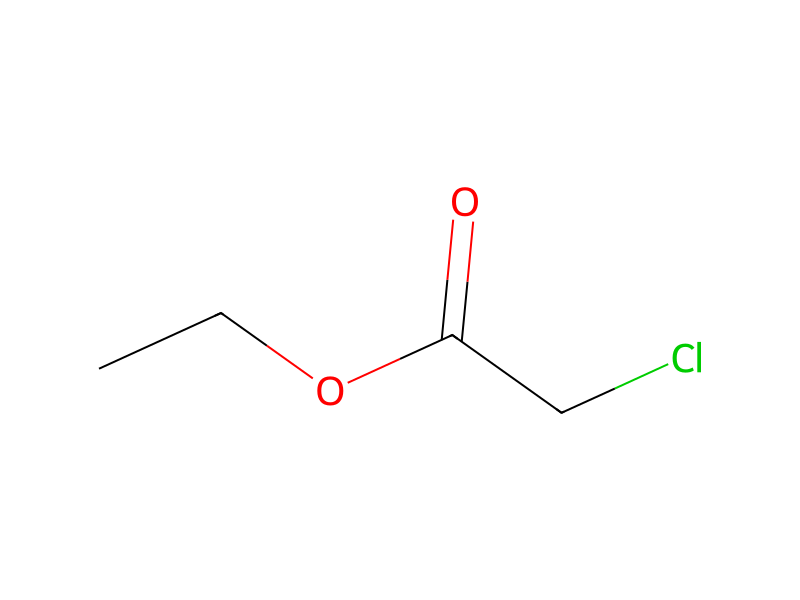
Ethyl chloroacetate → Ethyl [3-(4-chlorophenyl)-4-cyclopropyl-5-oxo-4,5-dihydro-1H-1,2,4-triazol-1-yl]acetate
Reaction equation

C(=O)([O-])[O-].[K+].[K+].[Cl:7][C:8]1[CH:13]=[CH:12][C:11]([C:14]2[N:15]([CH:20]3[CH2:22][CH2:21]3)[C:16](=[O:19])[NH:17][N:18]=2)=[CH:10][CH:9]=1.Cl[CH2:24][C:25]([O:27][CH2:28][CH3:29])=[O:26]>C(#N)C>[CH2:28]([O:27][C:25](=[O:26])[CH2:24][N:17]1[C:16](=[O:19])[N:15]([CH:20]2[CH2:22][CH2:21]2)[C:14]([C:11]2[CH:10]=[CH:9][C:8]([Cl:7])=[CH:13][CH:12]=2)=[N:18]1)[CH3:29]Participants
5
Reactant 3


Product 1

Reagents, catalysts & solvents 1

Procedure
586 mg (4.24 mmol) of potassium carbonate are added to 500 mg (2.12 mmol) of 5-(4-chlorophenyl)-4-cyclopropyl-2,4-dihydro-3H-1,2,4-triazol-3-one from Example 36A and 260 mg (2.12 mmol) of ethyl chloroacetate in 10 ml acetonitrile and the mixture is heated under reflux with stirring for 2 hours. It is then concentrated, the residue taken up in water is extracted with dichloromethane, the organic phase dried over sodium sulphate and again concentrated. After purification by flash chromatography over silica gel (eluent: first dichloromethane, then dichloromethane/methanol 100:1) 448 mg (66% of theory) of the target compound are obtained.
Workup
- temperaturethe mixture is heated
- temperatureunder reflux
- concentrationIt is then concentrated
- extractionis extracted with dichloromethane
- dry with materialthe organic phase dried over sodium sulphate
- concentrationagain concentrated
- customAfter purification by flash chromatography over silica gel (eluent
- customfirst dichloromethane, then dichloromethane/methanol 100:1) 448 mg (66% of theory) of the target compound are obtained
Sources & evidence
- ORD record
- ord-2689912a8a144a7287cf86e2ee00e50c
- Source dataset
- uspto-grants-2011_12
- Patent number
- US08084481B2
Reaction notes
Loading…