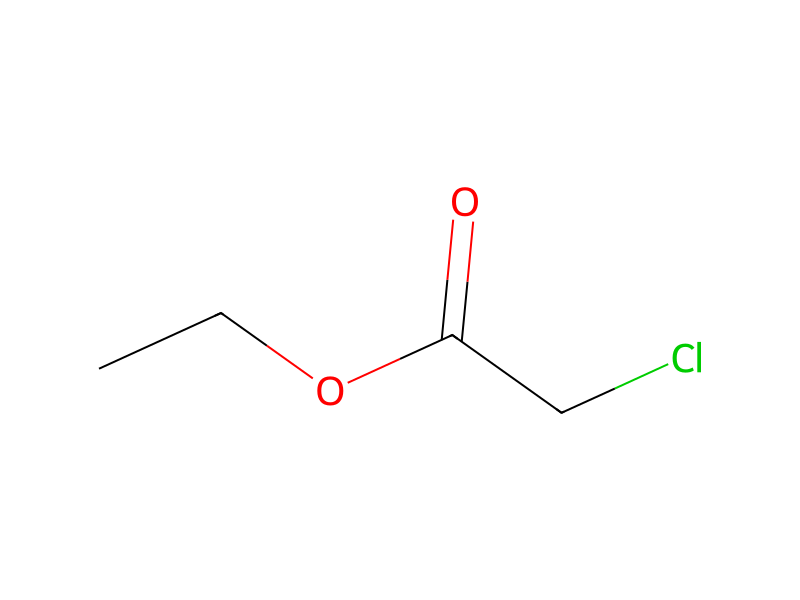
Ethyl chloroacetate → Ethyl(3-cyclopropyl-2-oxo-4-phenyl-2,3-dihydro-1H-imidazol-1-yl)-acetate
Reaction equation

[CH:1]1([N:4]2[C:8]([C:9]3[CH:14]=[CH:13][CH:12]=[CH:11][CH:10]=3)=[CH:7][NH:6][C:5]2=[O:15])[CH2:3][CH2:2]1.Cl[CH2:17][C:18]([O:20][CH2:21][CH3:22])=[O:19].C(=O)([O-])[O-].[K+].[K+]>C(#N)C>[CH2:21]([O:20][C:18](=[O:19])[CH2:17][N:6]1[CH:7]=[C:8]([C:9]2[CH:10]=[CH:11][CH:12]=[CH:13][CH:14]=2)[N:4]([CH:1]2[CH2:3][CH2:2]2)[C:5]1=[O:15])[CH3:22]Participants




Procedure
270 mg (1.35 mmol) of 1-cyclopropyl-5-phenyl-1,3-dihydro-2H-imidazol-2-one from Example 119A are dissolved in 5 ml acetonitrile and treated with 165 mg (1.35 mmol) of ethyl chloroacetate and 373 mg (2.70 mmol) of potassium carbonate. The mixture is stirred under reflux for 4 hrs, then a further 165 mg (1.35 mmol) of ethyl chloroacetate are added. After stirring overnight under reflux the reaction mixture is evaporated, the residue is partitioned between dichloromethane and water, the organic phase is separated, and this is dried over sodium sulphate and again concentrated. The crude product is purified by flash chromatography on silica gel (eluent: dichloromethane/methanol firstly 200:1, then 100:1) and thus yields 353 mg (91% of theory) of the target compound.
Workup
- temperatureunder reflux for 4 hrs
- stirringAfter stirring overnight
- temperatureunder reflux the reaction mixture
- customis evaporated
- customthe residue is partitioned between dichloromethane and water
- customthe organic phase is separated
- dry with materialthis is dried over sodium sulphate
- concentrationagain concentrated
- customThe crude product is purified by flash chromatography on silica gel (eluent
Sources & evidence
- ORD record
- ord-05948253972542e0881719bbef9ff539
- Source dataset
- uspto-grants-2011_12
- Patent number
- US08084481B2
Reaction notes
Loading…