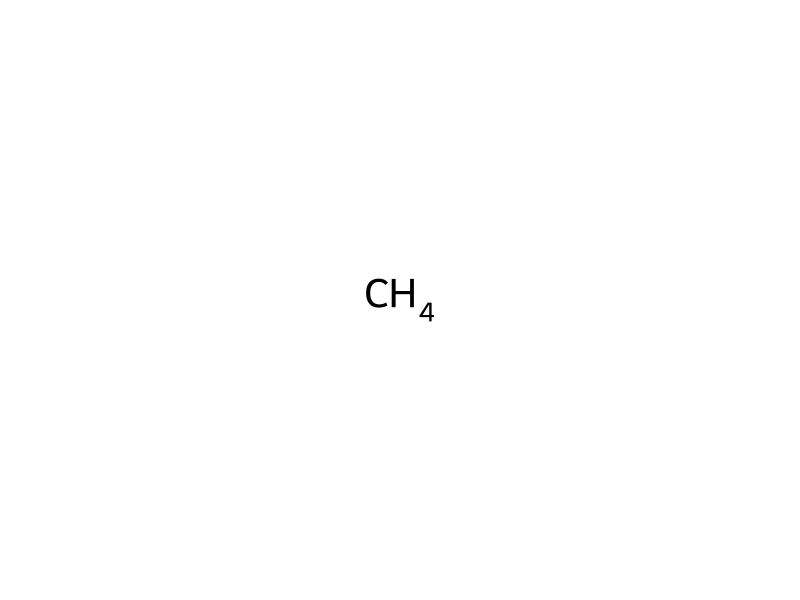
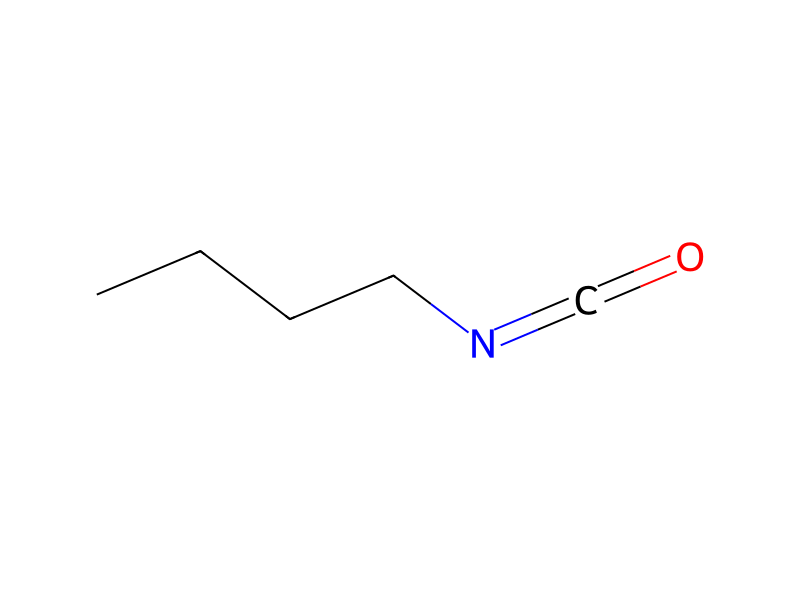
Methane → 2-(7-Chloro-1,8 naphtyridin-2-yl)-3-n-butylaminocarbonyloxy-isoindolin-1-one
Reaction equation

[Cl:1][C:2]1[N:11]=[C:10]2[C:5]([CH:6]=[CH:7][C:8]([N:12]3[CH:20]([OH:21])[C:19]4[C:14](=[CH:15][CH:16]=[CH:17][CH:18]=4)[C:13]3=[O:22])=[N:9]2)=[CH:4][CH:3]=1.[CH2:23]([N:27]=[C:28]=[O:29])[CH2:24][CH2:25][CH3:26].C>C(#N)C>[Cl:1][C:2]1[N:11]=[C:10]2[C:5]([CH:6]=[CH:7][C:8]([N:12]3[CH:20]([O:21][C:28]([NH:27][CH2:23][CH2:24][CH2:25][CH3:26])=[O:29])[C:19]4[C:14](=[CH:15][CH:16]=[CH:17][CH:18]=4)[C:13]3=[O:22])=[N:9]2)=[CH:4][CH:3]=1Participants
5



Conditions
- Temperature
- 20 °C
Procedure
A mixture of 2-(7-chloro-1,8-naphthyridin-2-yl)-3-hydroxy-isoindolin-1-one (1.56 g.) and n-butyl isocyanate (0.99 g.) in anhydrous acetonitrile (30 cc.) is heated at the reflux temperature for 2 hours. The solution obtained is treated with decolourising charcoal at the reflux temperature, filtered hot, after which it is cooled to a temperature of about 20° C. The product which crystallises is filtered off and washed with acetonitrile (4 cc.). After drying, 2-(7-chloro-1,8 naphtyridin-2-yl)-3-n-butylaminocarbonyloxy-isoindolin-1-one (0.96 g.), melting at 152° C. and then at 174° C., is obtained.
Workup
- temperatureis heated at the reflux temperature for 2 hours
- customThe solution obtained
- filtrationfiltered hot
- customThe product which crystallises
- filtrationis filtered off
- washwashed with acetonitrile (4 cc.)
- customAfter drying
Sources & evidence
- ORD record
- ord-e993f3a3b3f54538b177d9e685e5ddf6
- Source dataset
- uspto-grants-1978_12
- Patent number
- US04131674
Reaction notes
Loading…