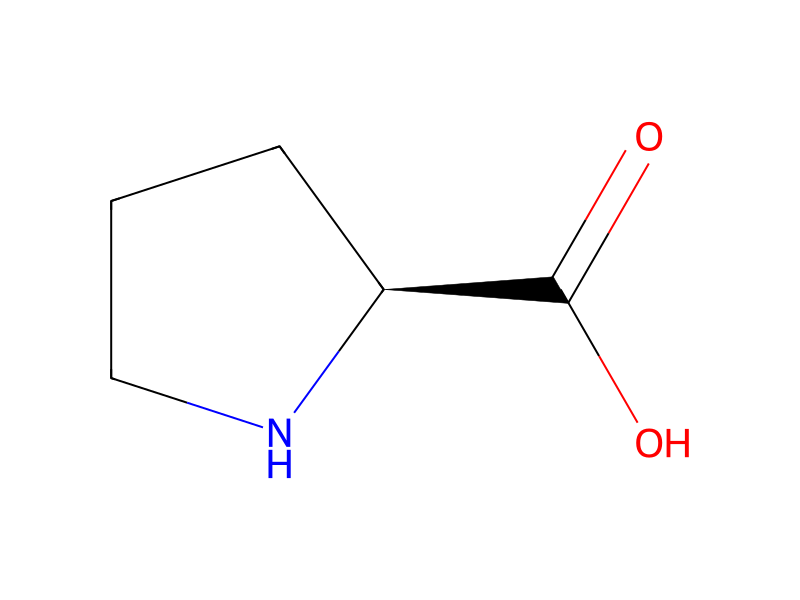
L-Proline → 1-[2-Acetylthio-3-(1-methyl-4-pyrazolylcarbonyl)propionyl]-L-proline
Reaction equation

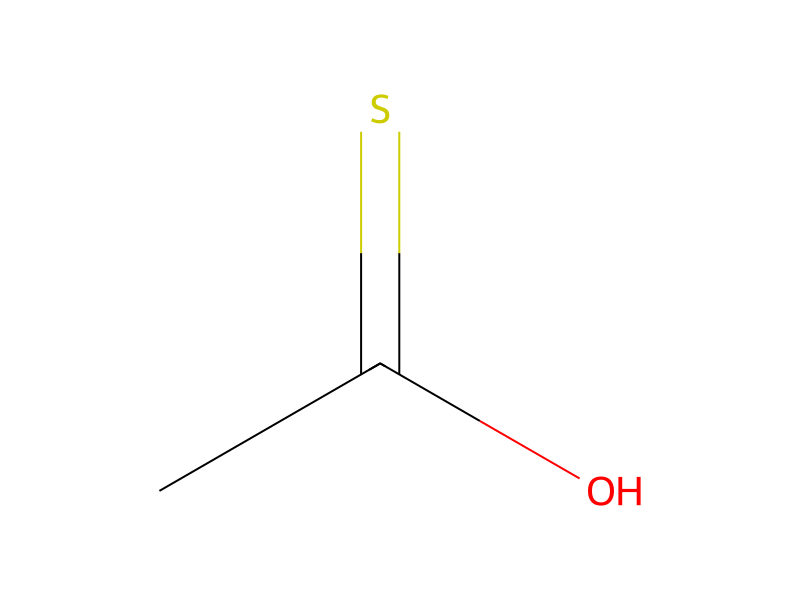
CN1C=C(C(C=CC(O)=O)=O)C=N1.N1CCC[C@H]1C(O)=O.[CH3:22][N:23]1[CH:27]=[C:26]([C:28]([CH:30]=[CH:31][C:32]([N:34]2[CH2:41][CH2:40][CH2:39][C@H:35]2[C:36]([OH:38])=[O:37])=[O:33])=[O:29])[CH:25]=[N:24]1.[C:42]([OH:45])(=[S:44])[CH3:43]>>[C:42]([S:44][CH:31]([CH2:30][C:28]([C:26]1[CH:25]=[N:24][N:23]([CH3:22])[CH:27]=1)=[O:29])[C:32]([N:34]1[CH2:41][CH2:40][CH2:39][C@H:35]1[C:36]([OH:38])=[O:37])=[O:33])(=[O:45])[CH3:43]Participants
5



Procedure
As for Example 29, 3-(1-methyl-4-pyrazolylcarbonyl)acrylic acid is coupled to L-proline and the resulting 1-[3-(1-methyl-4-pyrazolylcarbonyl)acryloyl]-L-proline is reacted with thioacetic acid to give the product of the Example as a glass.
Workup
- customto give the product of the Example as a glass
Sources & evidence
- ORD record
- ord-d5519e15d0b24fb0a5ede94dfa48bb1f
- Source dataset
- uspto-grants-1982_08
- Patent number
- US04342691
Reaction notes
Loading…