Acetic Acid → HCID 136386277, compound
Reaction equation

[NH2:1][C:2]1[N:6]([C:7]2[CH:12]=[CH:11][CH:10]=[CH:9][CH:8]=2)[N:5]=[C:4]([CH2:13][CH3:14])[C:3]=1[C:15]([NH2:17])=[O:16].N[C:19](N)=[O:20].CC(O)=O>[OH-].[Na+]>[CH2:13]([C:4]1[C:3]2[C:15](=[O:16])[NH:17][C:19](=[O:20])[NH:1][C:2]=2[N:6]([C:7]2[CH:12]=[CH:11][CH:10]=[CH:9][CH:8]=2)[N:5]=1)[CH3:14]Participants
5
Reactant 3

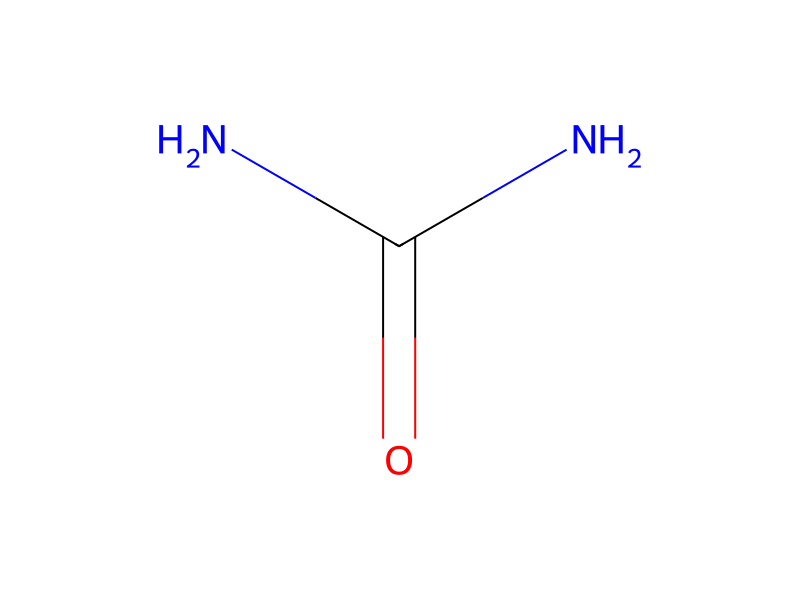

Product 1

Reagents, catalysts & solvents 1

Conditions
- Temperature
- 200 °C
Procedure
Into a 100-mL 3-necked round-bottom flask, was placed 5-amino-3-ethyl-1-phenyl-1H-pyrazole-4-carboxamide (1 g, 4.35 mmol, 1.00 equiv) at room temperature. To the resulting mixture was then added urea (1.75 g, 29.17 mmol, 6.70 equiv), in portions at room temperature. The resulting solution was stirred for 1 h at 200° C. The resulting mixture was then cooled to room temperature. The residue was dissolved in sodium hydroxide (250 mL). The pH value of the solution was adjusted to about 5 with AcOH (conc.). The solids were collected by filtration to yield 3-ethyl-1-phenyl-1H-pyrazolo[3,4-d]pyrimidine-4,6(5H,7H)-dione as a white solid. MS (m/z): 257 [MH+].
Workup
- customInto a 100-mL 3-necked round-bottom flask, was placed
- customat room temperature
- customat room temperature
- temperatureThe resulting mixture was then cooled to room temperature
- filtrationThe solids were collected by filtration
Sources & evidence
- ORD record
- ord-4e374c925c824bdca5f708ad3e529ec2
- Source dataset
- uspto-grants-2014_09
- Patent number
- US08822447B2
Reaction notes
Loading…