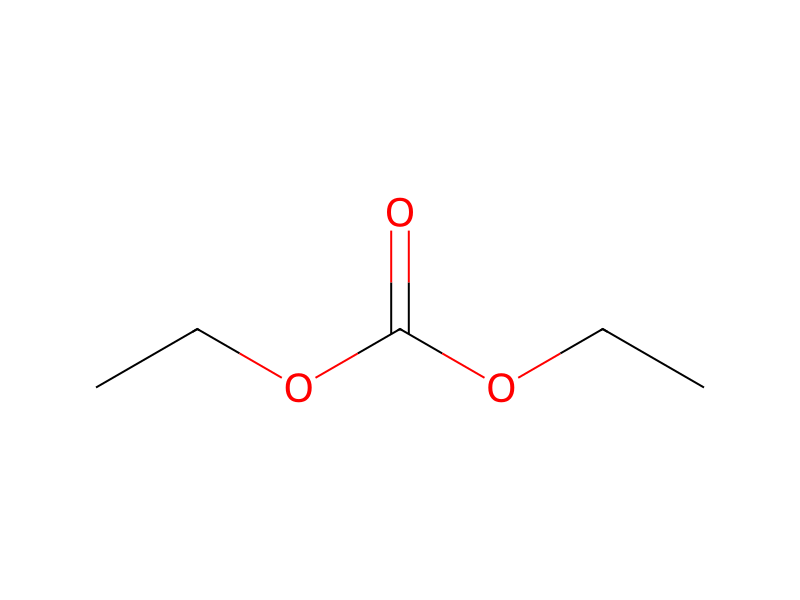
Diethyl Carbonate → Ethyl 2-(4-broMopyridin-2-yl)acetate
Reaction equation

[CH3:1][C:2]1[CH:7]=[C:6]([Br:8])[CH:5]=[CH:4][N:3]=1.[C:9](=O)([O:13]CC)[O:10][CH2:11][CH3:12]>>[Br:8][C:6]1[CH:5]=[CH:4][N:3]=[C:2]([CH2:1][C:9]([O:10][CH2:11][CH3:12])=[O:13])[CH:7]=1Participants
3


Procedure
Scheme 15 illustrates a synthesis of the indolizine-1-carboxylate ring system. In a similar manner to that in the literature (Parrick J, et al. J. Chem. Research (Synopses) 1990; 64-65), 2-methyl-4-bromopyridine may be deprotonated and treated with diethyl carbonate to give ethyl 2-(4-bromopyridin-2-yl)acetate (84). The ester (84) may then be treated with a bromoacetophenone (e.g. 2-bromo-1-(4-methoxyphenyl)ethanone) to give the indolizine ring system (85). The ester may be converted to the carboxaldehyde (86) by methods known to those skilled in the art. The aldehyde may be manipulated to the nitrile (87); and (86) and (87) both further transformed as described hereinabove.
Workup
- customa synthesis of the indolizine-1-carboxylate ring system
Sources & evidence
- ORD record
- ord-f9780cc1d14040e5ac56e73f5ff6dd42
- Source dataset
- uspto-grants-2015_11
- Patent number
- US09173887B2
Reaction notes
Loading…